Signature Luxury Wine Cellar Design: Creating Bespoke Connoisseur Sanctuaries for Premium Collection Storage 2025
The finest wines deserve more than a basement corner or kitchen rack. True connoisseurs understand that exceptional collections require environments as sophisticated as the vintages they house. Yet most wine storage solutions treat these liquid treasures like mere inventory, ignoring the delicate interplay of temperature, humidity, and aesthetic presentation that transforms storage into sanctuary. Your premium collection represents years of careful curation and significant investment—shouldn’t its home reflect that same level of thoughtfulness? In 2025, luxury wine cellar design transcends basic functionality, creating bespoke environments that honor both the wine’s integrity and the collector’s passion. This comprehensive guide reveals how to craft a connoisseur sanctuary that preserves your collection’s value while showcasing your refined taste.
The art of precision: Understanding optimal wine preservation
Creating a signature wine cellar begins with mastering the science of wine preservation. Wine experts emphasize that proper storage requires maintaining temperatures between 55-58°F with humidity levels at 60-70%. These conditions prevent cork deterioration, minimize oxidation, and allow wines to age gracefully.
Modern wine cellars employ sophisticated climate control systems that monitor conditions 24/7. Advanced units feature dual-zone capabilities, allowing you to store different wine types at their optimal temperatures simultaneously. Red wines thrive at slightly warmer temperatures than whites, and champagnes require the coolest environment for peak preservation.

This Photo was taken by Medhat Ayad.
Vibration control represents another critical element often overlooked in basic storage solutions. Premium cellars incorporate vibration-dampening systems that protect sediment from disturbance, ensuring wines maintain their intended flavor profiles. This attention to detail separates professional-grade storage from amateur attempts.
Light exposure poses perhaps the greatest threat to wine integrity. Ultraviolet rays break down tannins and create off-flavors that ruin even the finest vintages. Signature cellars utilize LED lighting systems with UV filters, creating ambient illumination that showcases your collection without compromising its quality.
Climate zones and storage requirements
| Wine Type | Optimal Temperature | Humidity Range | Storage Angle |
|---|---|---|---|
| Red Wines | 58-65°F | 60-70% | Horizontal |
| White Wines | 49-55°F | 60-70% | Horizontal |
| Champagne/Sparkling | 45-50°F | 65-75% | Horizontal |
| Fortified Wines | 55-60°F | 55-65% | Upright (after opening) |
Architectural mastery meets functional design
The most compelling wine cellars seamlessly blend architectural sophistication with practical functionality. Location selection within your home determines both accessibility and structural requirements. Basements offer natural temperature stability and minimal vibration, while ground-level spaces provide easier access for entertaining.
Insulation becomes paramount regardless of location. Professional installations utilize closed-cell foam insulation with vapor barriers to maintain consistent internal conditions. This investment protects against external temperature fluctuations and prevents condensation that could damage both wines and storage materials.
This Photo was taken by IM Photography.
Door selection requires careful consideration of both aesthetics and functionality. Glass doors allow visual access to your collection but require special UV-filtering glass and robust sealing systems. Solid doors provide superior insulation but limit the display aspect that makes collections conversation pieces during gatherings, much like the thoughtful design approach used in luxury dining room spaces.
Ventilation systems prevent stagnant air while maintaining humidity levels. Professional-grade cellars incorporate air circulation that exchanges the entire cellar volume multiple times hourly without creating drafts that could disturb wine sediment.
Structural considerations for premium installations
Foundation requirements vary significantly based on cellar size and bottle capacity. Large collections require reinforced flooring capable of supporting substantial weight—a full wine cellar can weigh several tons when fully stocked. Engineers calculate load requirements based on your intended capacity plus safety margins.
Electrical infrastructure must accommodate climate control systems, lighting, security features, and potential future expansions. Dedicated circuits prevent power fluctuations that could compromise climate control, while backup power systems protect against outages that could damage temperature-sensitive collections.
Racking systems: Where form meets preservation function
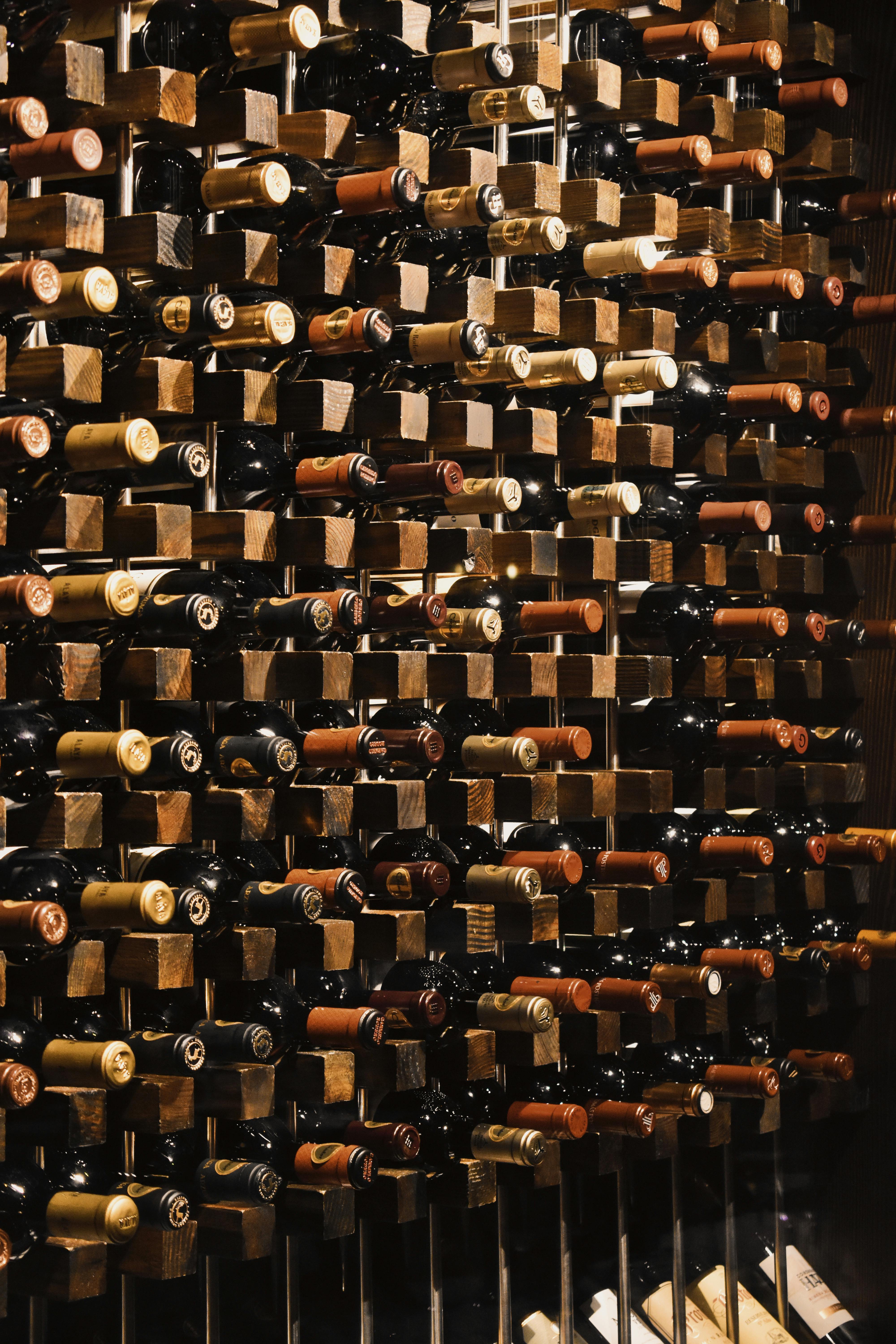
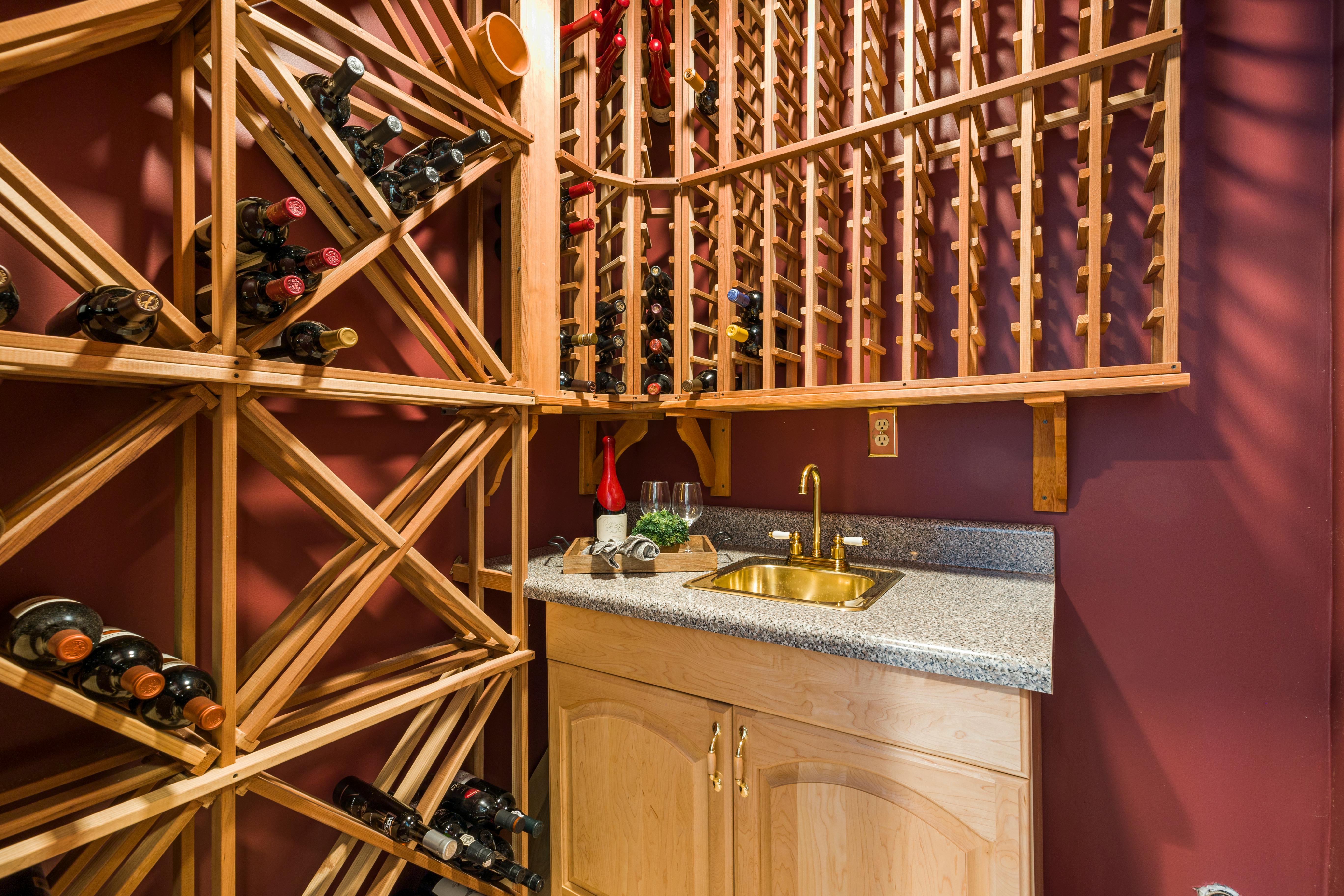
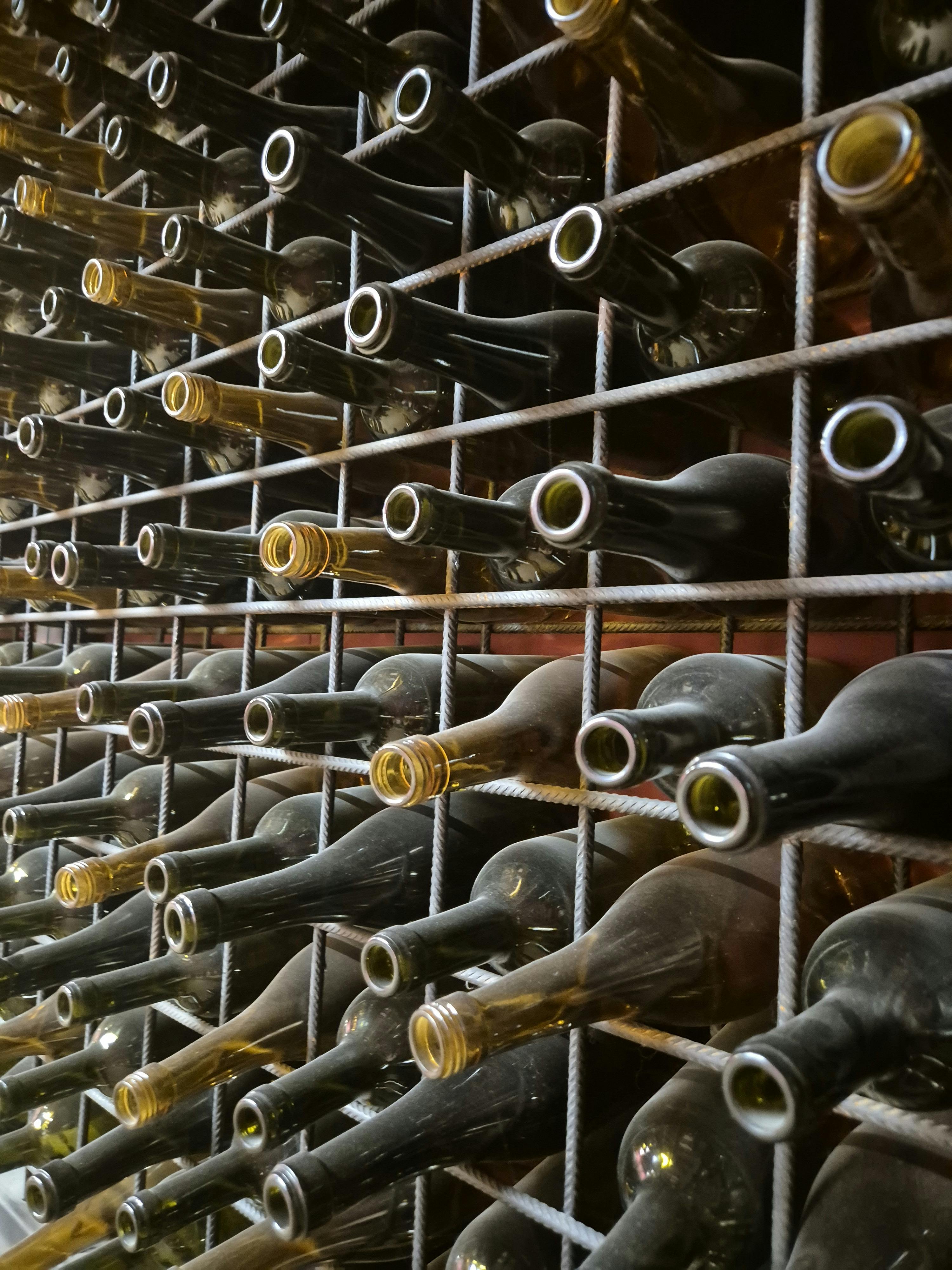
Wine racking represents the visible intersection of storage practicality and aesthetic expression. Traditional wooden racks offer timeless appeal and natural humidity regulation, while modern metal systems provide adjustable flexibility and contemporary styling.
Redwood and mahogany remain popular choices for their natural resistance to moisture and insects. These materials age gracefully, developing rich patinas that enhance the cellar’s character over time. Proper wood selection and treatment ensure decades of reliable service without affecting wine quality.
This Photo was taken by Curtis Adams.
Metal racking systems offer superior adjustability for collections featuring varied bottle sizes. Premium installations utilize powder-coated aluminum or stainless steel that won’t rust or corrode in humid cellar environments. These systems accommodate everything from standard Bordeaux bottles to oversized Champagne formats without modification.
Custom racking solutions address unique storage challenges while creating distinctive visual statements. Curved racks follow architectural lines, while integrated display areas showcase prized bottles similar to the curated presentation found in luxury home libraries where treasured collections take center stage.
Capacity planning and organization strategies
Effective capacity planning begins with honest assessment of your current collection and realistic growth projections. Industry experts recommend planning for 50% more capacity than your current needs to accommodate natural collection expansion over time.
Organization systems vary from simple alphabetical arrangements to complex regional and vintage-based categorization. Digital inventory management systems track locations, drinking windows, and collection values, transforming cellar management from guesswork into precise curation.
Technology integration for the modern connoisseur
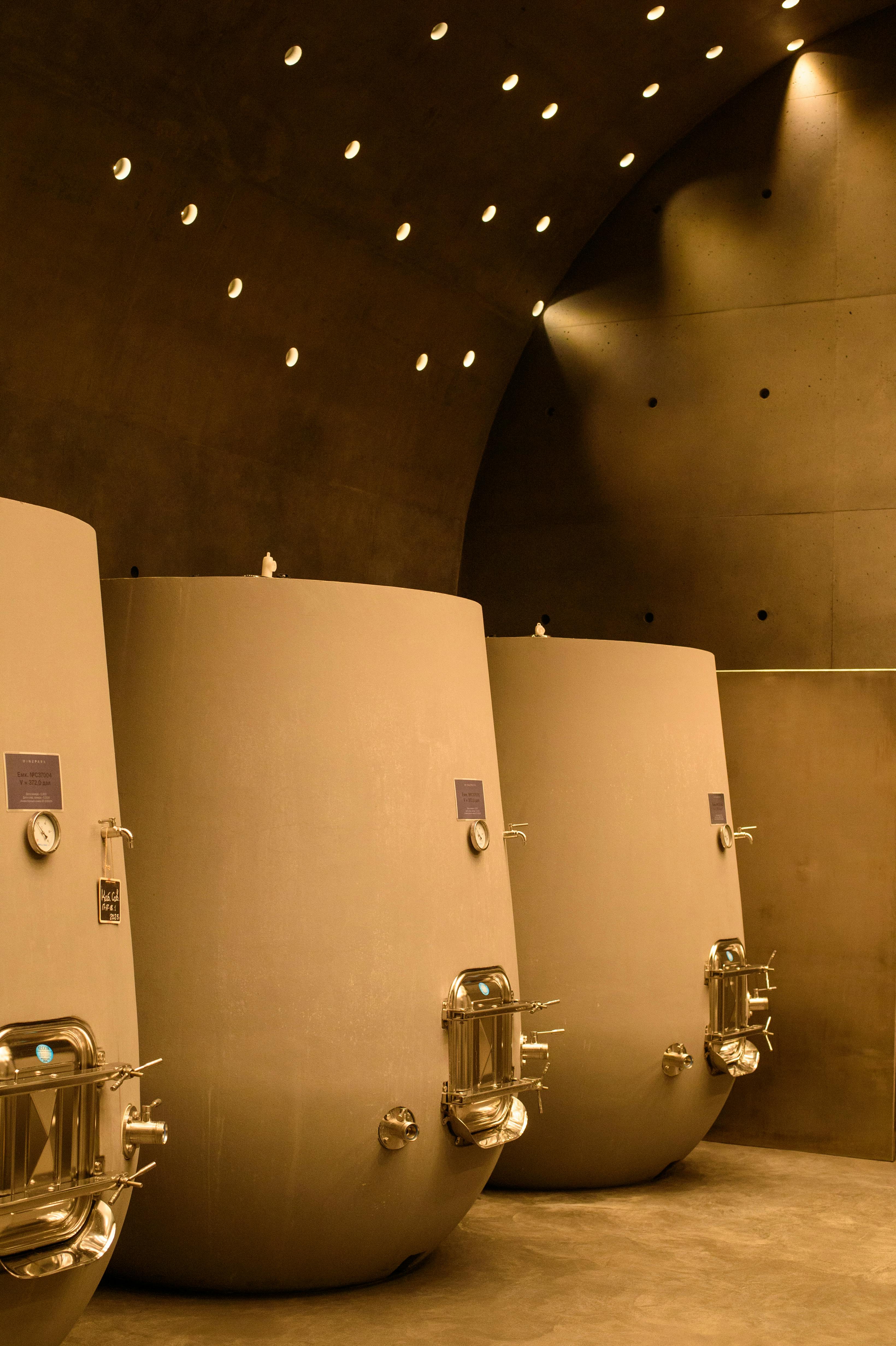
Smart technology transforms traditional wine storage into connected, monitored environments that provide peace of mind and enhanced functionality. Wine industry data shows that 73% of serious collectors now utilize some form of digital monitoring for their cellars.
Climate monitoring systems send real-time alerts to smartphones when conditions deviate from optimal ranges. These systems maintain detailed logs that help identify patterns and prevent problems before they damage valuable collections. Advanced units integrate with home automation systems for seamless control.
This Photo was taken by Oleksiy Konstantinidi,🌻🇺🇦🌻.
Security features protect collections that often represent significant financial investments. Motion sensors, door alarms, and surveillance cameras deter theft while providing documentation for insurance purposes. Discrete installation maintains the cellar’s aesthetic appeal while ensuring comprehensive protection.
Inventory management applications revolutionize collection tracking. Barcode scanning, photo documentation, and automated valuation updates transform cellar management from tedious recordkeeping into engaging collection curation. These tools prove invaluable for insurance documentation and resale decisions.
Lighting design for showcase and preservation
Lighting design balances the competing demands of showcasing your collection while protecting wine quality. LED systems generate minimal heat and offer precise color temperature control that flatters both wine and architectural elements.
Accent lighting highlights featured bottles and architectural details while ambient systems provide general illumination for cellar navigation. Motion sensors activate lighting only when needed, reducing energy consumption and heat generation that could stress climate control systems.
Design aesthetics that elevate the collection experience
Visual design transforms functional storage into experiential spaces that celebrate wine culture and personal taste. Material selections should complement your home’s overall aesthetic while creating distinctive cellar character. Natural stone, exposed brick, and reclaimed wood create authentic wine country atmospheres that transport visitors to European caves.
Color palettes typically favor earth tones that don’t compete with wine labels while creating warm, inviting environments. Deep burgundies, rich browns, and muted golds provide sophisticated backdrops that enhance rather than overwhelm the collection display.
This Photo was taken by Milosh Gjuorski.
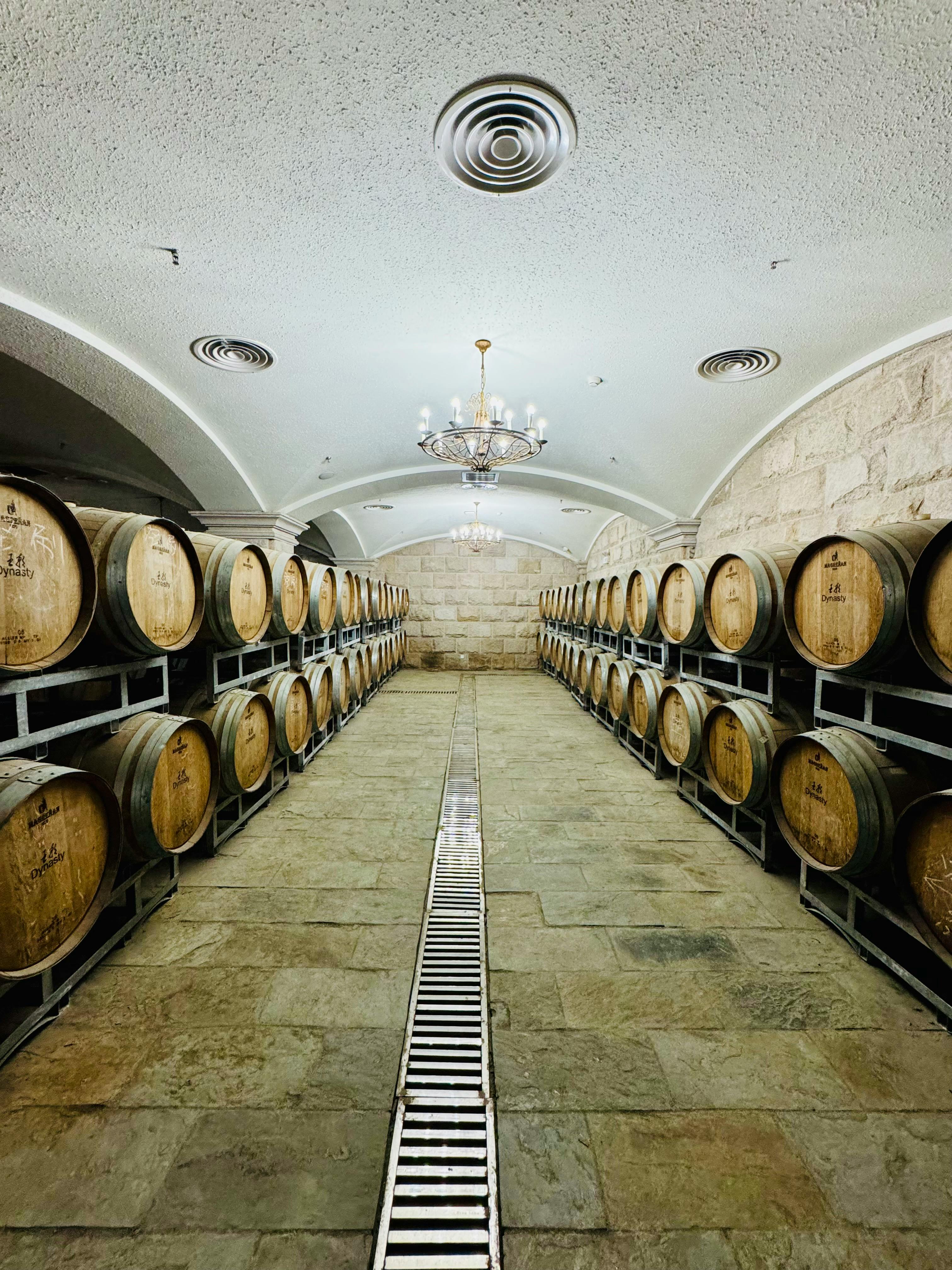
Ceiling treatments deserve special attention in creating immersive environments. Barrel vault ceilings evoke traditional cave storage, while coffered designs add architectural sophistication. Sound-dampening materials reduce noise transmission while enhancing the cellar’s acoustic intimacy, similar to the careful attention to ambiance found in luxury home cinema designs.
Flooring must balance aesthetics with functionality. Natural stone provides authentic character and thermal mass that helps stabilize temperatures. Sealed surfaces prevent moisture absorption while offering easy maintenance for spaces that experience occasional spills during tastings.
Creating zones for different cellar functions
Sophisticated cellars incorporate multiple zones that serve distinct purposes beyond basic storage. Tasting areas feature comfortable seating and proper glassware storage for evaluating wines in optimal conditions. These spaces often include sinks for glass cleaning and spittoons for professional tastings.
Display zones showcase prized bottles and wine-related artifacts that tell your collection’s story. Museum-quality lighting and climate control protect displayed items while creating focal points that spark conversation during entertaining.
Entertaining and hospitality features
Modern wine cellars extend beyond storage to become entertaining destinations that showcase collections while providing intimate gathering spaces. Tasting tables crafted from wine barrel staves or reclaimed wood create authentic settings for evaluating new acquisitions or sharing special bottles with guests.
Glassware storage requires careful planning to accommodate various wine types while protecting delicate stems from damage. Built-in cabinets with felt-lined compartments keep glasses dust-free and organized by size and purpose. Decanter storage prevents scratching while allowing easy access during service.
This Photo was taken by Shuaizhi Tian.
Temperature-controlled serving areas maintain different zones for wines at optimal drinking temperatures. These sections allow proper service without disturbing long-term storage conditions in the main cellar areas. Integrated cooling drawers keep whites and sparkling wines at perfect serving temperatures.
Ventilation becomes critical in entertaining areas where multiple people generate heat and humidity. Advanced systems maintain comfortable conditions for guests while preserving optimal wine storage environments in adjacent areas, reflecting the same attention to comfort found in luxury living room sanctuaries.
Accessibility and circulation planning
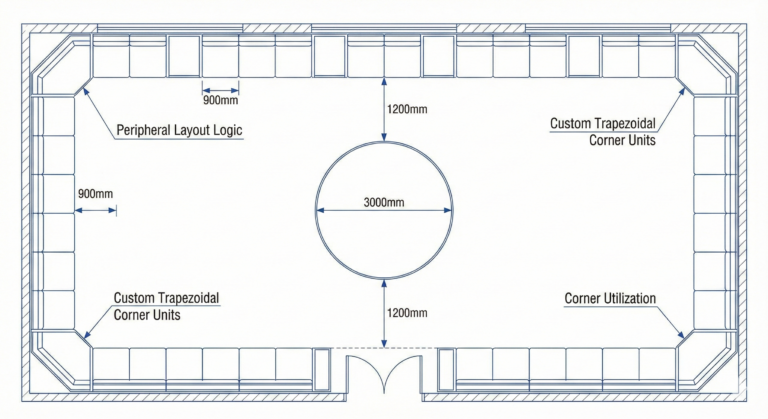
Thoughtful circulation design ensures easy access to all collection areas while accommodating multiple visitors during tastings or tours. Aisle widths must allow comfortable passage while maximizing storage density within available space.
Universal design principles make cellars accessible to users with mobility challenges. Adjustable-height storage, wider aisles, and ramped entries ensure that wine appreciation remains inclusive throughout changing life circumstances.
Investment considerations and collection growth
Wine cellar construction represents a significant investment that typically ranges from $15,000 for basic installations to $500,000+ for elaborate custom designs. Industry reports indicate that professionally designed cellars add 3-7% to home values while providing decades of enjoyment and functionality.
Phased construction approaches allow budget management while accommodating natural collection growth. Initial phases focus on essential climate control and basic storage, with subsequent expansions adding entertaining features and advanced technology integration.

This Photo was taken by furkanfdemir.
Collection valuation tools help justify cellar investments by tracking wine appreciation over time. Many serious collectors discover that proper storage significantly enhances resale values, particularly for rare and vintage wines that benefit from optimal aging conditions.
Insurance considerations require documentation of both cellar infrastructure and collection contents. Professional appraisals establish baseline values while detailed inventory systems track additions and consumption for accurate coverage maintenance.
Maintenance and operational costs
Ongoing operational costs include climate control energy consumption, equipment maintenance, and periodic system upgrades. Energy-efficient systems minimize environmental impact while reducing operational expenses over the cellar’s lifecycle.
| Cost Category | Annual Range | Maintenance Frequency | Key Considerations |
|---|---|---|---|
| Climate Control | $500-$2,000 | Quarterly service | Energy efficiency ratings |
| Monitoring Systems | $100-$500 | Annual calibration | Sensor accuracy verification |
| Security Features | $200-$800 | Semi-annual testing | System integration updates |
| Structural Maintenance | $300-$1,200 | As needed | Preventive care schedules |
Professional design and installation partnerships
Collaborating with experienced wine cellar designers ensures that technical requirements align with aesthetic visions while avoiding costly mistakes that compromise wine quality. Professional designers understand the complex interactions between climate control, insulation, and architectural elements that determine long-term success.
Certified installers bring specialized knowledge of climate control systems, electrical requirements, and building codes that affect cellar construction. Their expertise prevents problems that could damage collections or require expensive retrofits after completion.

This Photo was taken by Dmitry Sidorov.
Design consultations should address current collection characteristics, growth projections, entertaining preferences, and budget parameters. Comprehensive discussions ensure that final designs reflect personal priorities while meeting technical preservation requirements. This collaborative approach mirrors the detailed planning process used in luxury bedroom sanctuaries where personal preferences guide design decisions.
Project management expertise proves invaluable in coordinating multiple trades while maintaining construction schedules and quality standards. Professional oversight prevents conflicts between different installation phases that could compromise system performance or aesthetic outcomes.
Warranty and service considerations
Comprehensive warranties protect investments while ensuring reliable performance throughout the cellar’s operational life. Premium installations typically include equipment warranties, labor guarantees, and performance assurances that provide long-term peace of mind.
Service agreements maintain optimal performance while preventing problems that could threaten collection integrity. Regular maintenance schedules address potential issues before they affect wine storage conditions or require emergency repairs.
Frequently asked questions
What size wine cellar do I need for my collection?
Plan for 1.5 times your current collection size to accommodate growth. A typical collector with 200 bottles should design for 300-bottle capacity. Consider your purchasing patterns and long-term collecting goals when determining size requirements.
Can I convert an existing room into a wine cellar?
Most rooms can be converted with proper insulation, vapor barriers, and climate control installation. Basements offer natural advantages, but ground-level spaces work well with adequate preparation. Professional assessment determines feasibility and required modifications.
How much does a custom wine cellar cost?
Costs range from $300-$1,200 per square foot depending on features and finishes. Basic 50-square-foot cellars start around $15,000, while elaborate custom designs can exceed $100,000. Climate control, racking, and finishes represent the largest cost components.
What’s the ideal temperature for wine storage?
Maintain consistent temperatures between 55-58°F for optimal aging conditions. Avoid temperature fluctuations greater than 2-3 degrees, which can damage corks and accelerate aging. Different wine types benefit from slight temperature variations within this range.
Do I need professional installation for wine cellar equipment?
Professional installation ensures proper performance and warranty coverage for climate control systems. Incorrect installation can damage expensive equipment and compromise wine storage conditions. Certified technicians understand system requirements and local building codes.
How do I organize my wine collection for easy access?
Organize by drinking timeline first, then by region or varietal preference. Keep everyday wines accessible while storing aging wines in stable locations. Digital inventory systems track bottle locations and optimal drinking windows for efficient collection management.
Your legacy preserved in liquid form
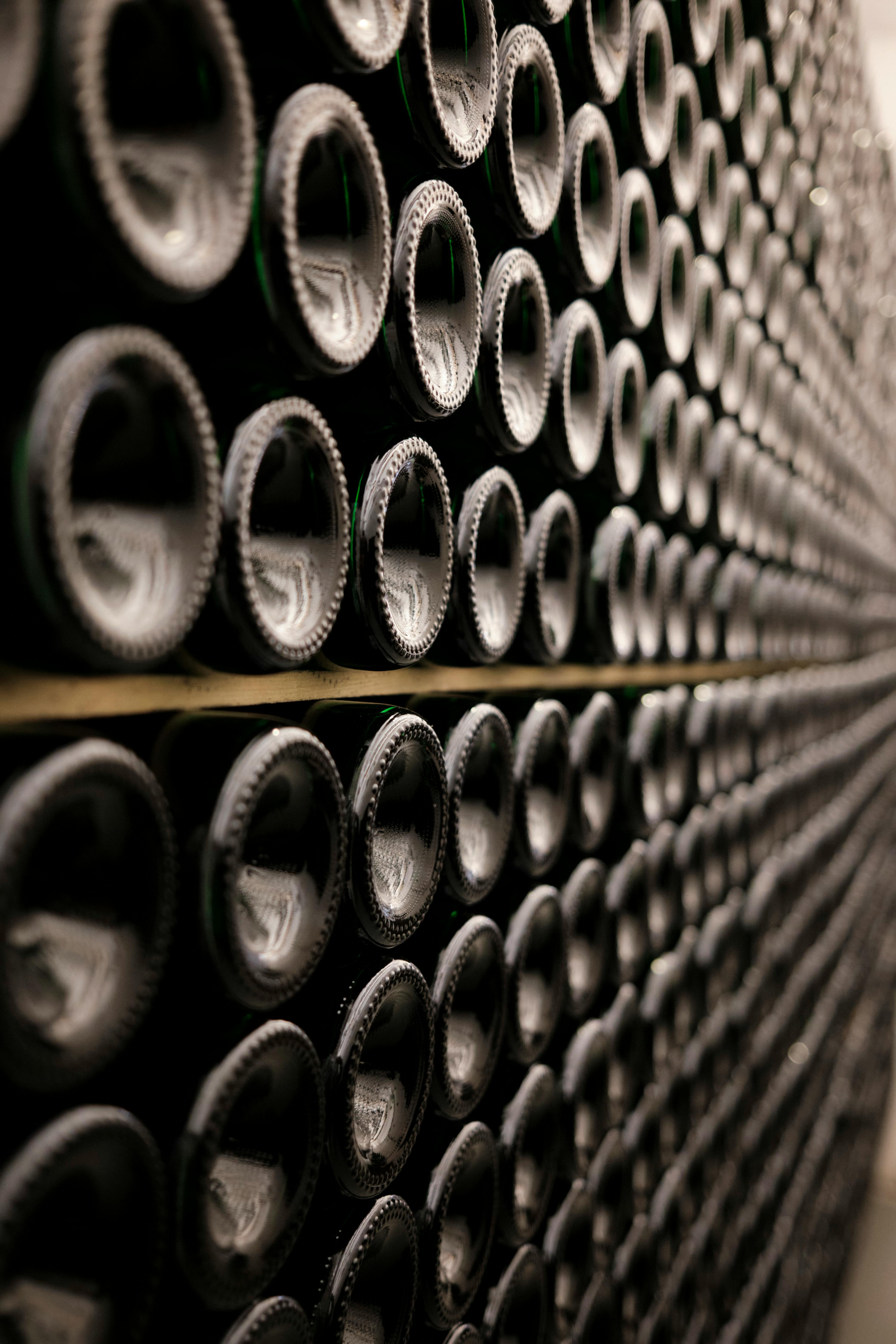
Creating a signature wine cellar transcends mere storage—it establishes a legacy sanctuary where time, temperature, and taste converge in perfect harmony. The investment you make today in proper design, climate control, and aesthetic refinement pays dividends for decades through enhanced wine quality, increased collection value, and countless memorable experiences shared with fellow enthusiasts.
This Photo was taken by Ian Ramírez.
The most successful wine cellars reflect their owners’ personalities while respecting the fundamental requirements that preserve liquid treasures for future generations. Whether you envision intimate tastings with close friends or grand entertaining events, your cellar becomes a stage where exceptional wines perform their finest roles. Like other carefully crafted spaces in your home—from grand entrance sanctuaries to hospitality retreats and curated wardrobe sanctuaries—your wine cellar should seamlessly integrate with your lifestyle while elevating every interaction. The path from concept to completion requires patience, expertise, and vision, but the result transforms your relationship with wine from casual appreciation to profound connoisseurship, ensuring that every bottle reaches its intended potential in your bespoke sanctuary.