Signature Luxury Home Bar Design: Creating Bespoke Entertainment Sanctuaries for Sophisticated Social Gatherings 2025
Picture walking into a home bar that rivals the world’s most exclusive private clubs. The lighting creates dramatic shadows across handcrafted millwork, premium spirits gleam behind temperature-controlled glass displays, and every surface whispers sophistication. Yet despite investing hundreds of thousands in renovations, most luxury home bars fail to achieve this level of distinction because they follow predictable formulas rather than creating truly bespoke entertainment sanctuaries.
The difference between an impressive home bar and an unforgettable one lies not in the price tag of its components, but in the strategic orchestration of design elements that reflect your personal entertaining philosophy. While conventional wisdom focuses on stocking premium liquors and installing basic cabinetry, sophisticated homeowners understand that exceptional home bars require the same level of architectural consideration as signature luxury dining rooms.
This Photo was taken by Quan Tran.
Beyond the bottle: reimagining home bar design philosophy
The most successful luxury home bars transcend their utilitarian function to become theatrical stages for memorable experiences. This requires abandoning the traditional approach of simply installing a counter with storage in favor of creating what we call “experiential architecture” – spaces designed around the rituals and emotions of sophisticated entertaining.
Modern luxury home bar design operates on three foundational principles that separate exceptional spaces from merely expensive ones. First, the concept of “progressive revelation” ensures that the bar’s features unfold gradually, creating multiple moments of discovery for guests. Second, “sensory layering” orchestrates lighting, materials, and spatial flow to engage all five senses. Finally, “narrative coherence” ensures every design decision reinforces a unified story about your personal entertaining style.
According to recent market analysis, luxury home bar installations increased by 34% in 2024, with homeowners investing an average of $85,000 to $250,000 in comprehensive bar design projects. However, our experience reveals that budget allocation matters less than design strategy – we’ve created stunning bars for $45,000 that outperform $300,000 installations lacking coherent design vision.
Crafting your entertainment persona
Before selecting a single material or fixture, successful home bar design begins with defining your entertaining persona. Are you the collector who showcases rare spirits like museum pieces? The mixologist who transforms cocktail preparation into performance art? The host who creates intimate conversation spaces? Each persona demands radically different design approaches.
The collector’s bar emphasizes display and preservation, featuring climate-controlled storage, museum-quality lighting, and materials that complement bottle aesthetics without competing for attention. The mixologist’s bar prioritizes functionality and theater, incorporating professional-grade equipment, ample working surfaces, and sight lines that allow guests to appreciate the craft. The conversationalist’s bar focuses on spatial flow and comfort, creating multiple seating arrangements and acoustic considerations that facilitate meaningful interaction.

This Photo was taken by La Miko.
Architectural integration strategies for seamless luxury
Exceptional home bars don’t appear as afterthoughts or additions – they emerge as natural extensions of your home’s architectural DNA. This integration begins during the conceptual phase, considering how the bar relates to adjacent spaces and circulation patterns throughout your home.
The most successful installations we’ve completed connect home bars to multiple spaces, creating what hospitality designers call “entertainment circuits.” A properly positioned bar might serve the signature luxury living room during casual evenings, support formal dinner parties by connecting to the dining area, and provide convenient access to outdoor entertainment spaces during warmer months.
Sight line orchestration
Professional bar designers understand that controlling sight lines creates psychological comfort and social dynamics. Strategic placement of the bar within your home’s layout should provide the bartender with clear views of seating areas while maintaining appropriate separation between preparation and consumption zones.
Consider how your bar will function during different types of gatherings. Intimate conversations benefit from more enclosed, cozy arrangements, while larger parties require open sight lines that allow the bartender to maintain connection with guests throughout the space. The bar’s position should also account for natural traffic patterns, ensuring smooth flow without creating bottlenecks during busy entertaining moments.
| Bar Configuration | Optimal Guest Count | Primary Function | Space Requirement |
|---|---|---|---|
| Intimate Corner Bar | 2-6 guests | Conversation & craft cocktails | 60-80 sq ft |
| Gallery-Style Bar | 6-12 guests | Collection display & tasting | 120-150 sq ft |
| Performance Bar | 8-20 guests | Mixology theater | 180-250 sq ft |
| Social Hub Bar | 15+ guests | Large party entertaining | 300+ sq ft |
This Photo was taken by Nha Chill.
Material selection for enduring sophistication
The materials that define your home bar must balance aesthetic appeal with practical durability, as bars experience more intensive use than most other spaces in luxury homes. Surface selection becomes particularly critical, as these materials must withstand alcohol spills, temperature variations, and frequent cleaning while maintaining their luxurious appearance.
Natural stone remains the gold standard for luxury bar surfaces, with options ranging from classic marble for traditional elegance to exotic quartzite for contemporary sophistication. However, engineered surfaces now offer compelling alternatives that provide superior stain resistance and consistent patterning. The key lies in selecting materials that align with your entertaining style while providing appropriate performance characteristics.
Beyond surface materials: the supporting cast
While countertop selection often dominates material discussions, the supporting elements actually define a bar’s character more significantly. Millwork species and finish techniques set the foundational tone, while metal accents provide crucial details that elevate the overall design. Hardware selection, from cabinet pulls to faucet finishes, must maintain consistency with your home’s broader design language.
Contemporary luxury bars increasingly feature mixed-material compositions that create visual interest through thoughtful contrast. Combining warm wood tones with cool metal accents, or pairing smooth stone surfaces with textured glass elements, adds sophistication when executed with restraint. The goal is creating harmony rather than competition between materials.
This Photo was taken by Andrii Yakovlev.
Technology integration for modern convenience
Today’s luxury home bars seamlessly integrate technology to enhance both functionality and atmosphere without compromising aesthetic integrity. Smart home technology allows for sophisticated control of lighting scenes, temperature management, and audio systems, all managed through discrete interfaces that maintain the bar’s refined appearance.
Climate control extends beyond simple refrigeration to include humidity management for wine storage, temperature zones for different beverage types, and even air quality systems that prevent lingering odors from affecting your home’s other spaces. Advanced systems can monitor and adjust storage conditions automatically, protecting valuable collections while providing optimal serving temperatures.
Hidden technology solutions
The most successful technology integration remains invisible during normal use while providing sophisticated functionality when needed. Motorized cabinet doors can reveal or conceal television screens, allowing the bar to transition between intimate conversation space and entertainment viewing area. Integrated sound systems with zone control ensure appropriate audio levels for both background ambiance and more energetic entertaining.
According to Architectural Review’s 2024 luxury design survey, 78% of high-end home bars now incorporate some form of automated climate control, while 65% feature integrated audio systems designed specifically for the space’s acoustical characteristics.
This Photo was taken by Canshotz.
Lighting design as atmospheric orchestration
Bespoke lighting design transforms functional spaces into atmospheric experiences, and nowhere is this more apparent than in luxury home bar design. Lighting must serve multiple purposes: providing adequate illumination for drink preparation, creating flattering ambiance for guests, highlighting displayed collections, and supporting the bar’s overall aesthetic narrative.
Layered lighting approaches combine ambient, task, and accent lighting to create flexibility for different entertaining scenarios. Ambient lighting establishes the overall mood and comfort level, typically provided through recessed fixtures or architectural coves. Task lighting ensures safe and efficient drink preparation, often integrated into under-cabinet systems or pendant fixtures over work areas. Accent lighting creates drama and visual interest by highlighting specific features like bottle displays or architectural details.
Advanced lighting control systems
Modern lighting control allows for preset scenes that transform the bar’s character throughout different phases of entertaining. A “cocktail preparation” scene might emphasize task lighting while maintaining subtle ambiance, while an “intimate conversation” setting could dim overall levels while adding warmth through accent lighting on displayed collections.
Color temperature selection becomes crucial in bar environments, as it affects both the appearance of beverages and the comfort of guests. Warm temperatures (2700K-3000K) create cozy, intimate atmospheres ideal for conversation, while slightly cooler temperatures (3500K-4000K) provide better color rendering for showcasing premium spirits and wine collections.
This Photo was taken by Level 23 Media.
Storage solutions for the discerning collector
Luxury home bars require storage solutions that extend far beyond basic shelving, accommodating everything from extensive spirit collections to specialized glassware, preparation tools, and serving accessories. The storage design must balance accessibility with protection, ensuring that valuable bottles remain secure while remaining easily retrievable during entertaining.
Wine storage within home bars presents particular challenges, as bottles require specific temperature and humidity conditions that differ from spirits and other beverages. Integrated wine storage solutions can range from simple temperature-controlled zones within existing cabinetry to elaborate wine cellar systems that connect directly to the bar area.
Specialized storage categories
Different beverage categories require specific storage considerations that go beyond simple shelving. Spirits benefit from consistent temperatures and protection from direct light, while maintaining easy visibility for selection purposes. Fortified wines and liqueurs may require different storage conditions than table wines, and champagne storage demands specific angular positioning and vibration protection.
Glassware storage must account for both protection and accessibility, with consideration for different glass types and sizes. Custom-designed storage solutions can accommodate everything from delicate vintage crystal to modern stemware collections, while providing easy access during entertaining situations.
This Photo was taken by Max Vakhtbovych.
Seating and social flow dynamics
The seating arrangement around your home bar significantly influences social dynamics and guest comfort, making it one of the most critical design decisions. Unlike restaurant bars designed for maximum efficiency, residential bars should prioritize conversation and social interaction while maintaining comfort for extended periods.
Bar height selection affects both comfort and social dynamics. Standard bar height (42 inches) creates a more formal, cocktail-party atmosphere, while counter height (36 inches) feels more casual and conversational. Some luxury installations incorporate multiple heights within the same space, providing options for different social situations and guest preferences.
The relationship between your home bar and adjacent seating areas requires careful consideration of sight lines, conversation distances, and movement patterns. Successful designs create natural gathering points that encourage interaction while providing clear circulation paths for both hosts and guests.
Comfort considerations for extended entertaining
Unlike commercial bars designed for relatively short visits, home bars must provide comfort for extended social gatherings. This means investing in quality seating with appropriate back support, footrests positioned at comfortable heights, and adequate personal space between seats to prevent crowding.
Acoustic considerations become important in home bar design, as hard surfaces necessary for durability can create challenging sound environments. Strategic placement of sound-absorbing materials, careful attention to ceiling treatments, and consideration of background noise levels all contribute to creating spaces where conversation flows naturally.
Frequently asked questions about luxury home bar design
What’s the ideal size for a luxury home bar?
Luxury home bars typically range from 60-300 square feet depending on function and guest capacity. A intimate conversation bar needs 60-80 square feet, while entertainment-focused bars require 180-250 square feet. The key is matching size to your specific entertaining style rather than following arbitrary standards.
How much should I budget for a high-end home bar installation?
Quality luxury home bars range from $45,000 to $250,000, with most falling between $75,000-$150,000. Costs vary significantly based on millwork complexity, appliance selection, and technology integration. Focus your budget on architectural elements and storage solutions that can’t be easily upgraded later.
What appliances are essential for a luxury home bar?
Essential appliances include a quality ice maker, wine refrigeration, and adequate refrigerated storage for mixers and garnishes. Consider adding a small dishwasher for glassware, especially if your bar is located away from your main kitchen. High-end installations often include water filtration systems for optimal cocktail preparation.
How do I integrate a home bar with my existing interior design?
Successful integration requires matching your bar’s materials, finishes, and proportions to your home’s existing architectural character. The bar should feel like a natural extension of your home’s design narrative rather than an added element. Work with designers who understand both your home’s style and sophisticated bar functionality.
What’s the difference between a wet bar and a full home bar?
Wet bars include a sink and basic storage but lack refrigeration and extensive preparation areas. Full home bars provide complete beverage preparation capabilities including ice makers, refrigeration, and ample counter space for cocktail crafting. Most luxury installations opt for full bar functionality to maximize entertaining capabilities.
How important is ventilation in home bar design?
Proper ventilation prevents odor accumulation and moisture issues that can affect both your bar and adjacent spaces. Quality ventilation systems should handle cooking odors if you include food preparation capabilities, alcohol vapors from extensive collections, and general air circulation for guest comfort during entertaining.
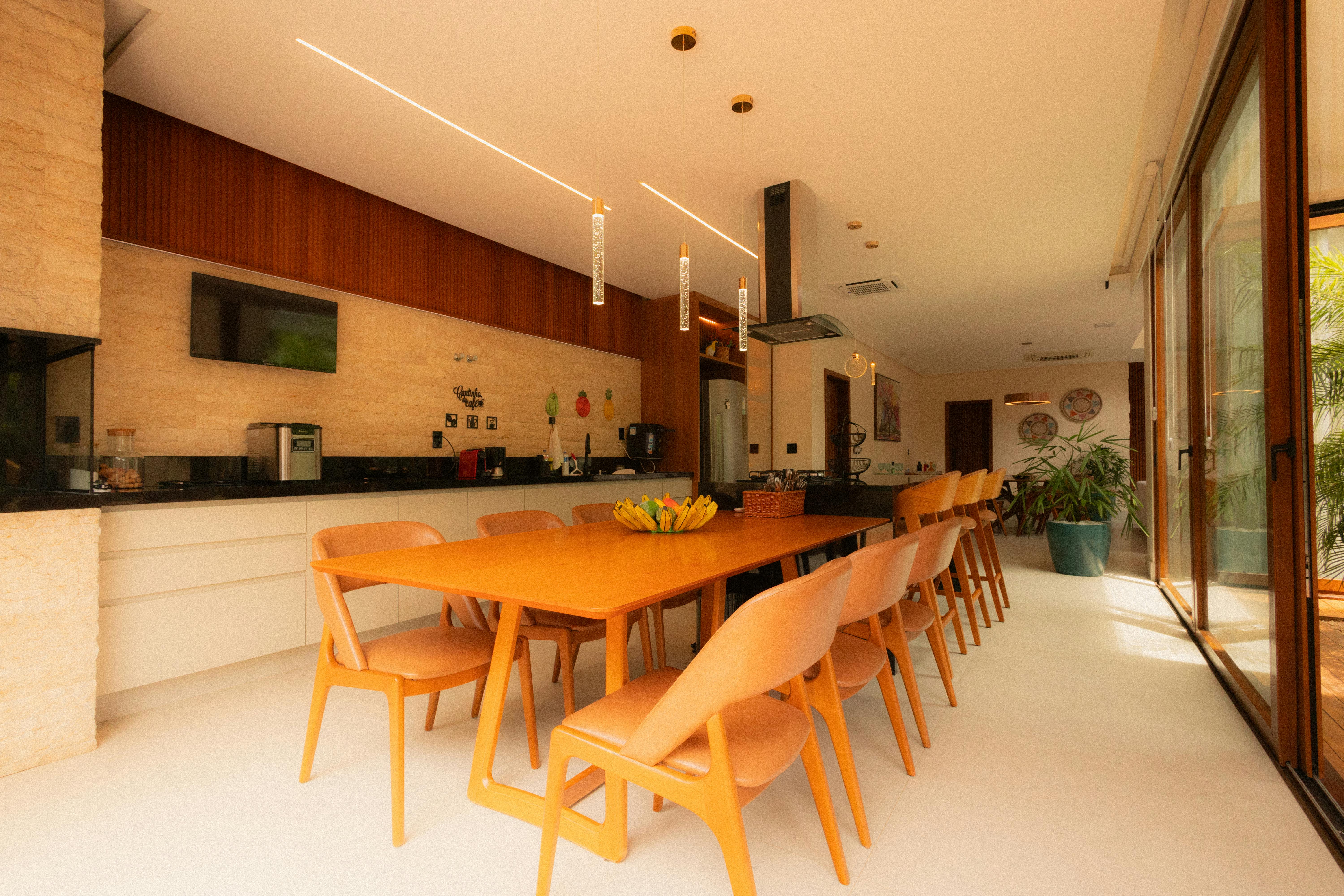
This Photo was taken by Alef Morais.
Where sophisticated entertaining begins
Creating a truly exceptional home bar requires abandoning conventional approaches in favor of bespoke design strategies that reflect your unique entertaining philosophy. The most successful luxury installations transcend mere functionality to become architectural experiences that enhance every social gathering.
The investment in a properly designed home bar extends beyond immediate enjoyment to long-term property value and lifestyle enhancement. According to luxury real estate specialists, quality home bars contribute 15-25% more to property values than their installation costs, while providing immeasurable returns in entertaining satisfaction and social connection.
Your home bar should serve as more than a place to prepare drinks – it becomes a stage for creating memories, a catalyst for conversation, and a reflection of your personal style. Whether you envision intimate tastings with close friends or elaborate cocktail parties that become legendary among your social circle, the foundation lies in thoughtful design that prioritizes experience over expense.
The path to creating your signature entertainment sanctuary begins with understanding that exceptional bars are born from strategic thinking rather than unlimited budgets. Focus on defining your entertaining persona, integrating the bar seamlessly with your home’s architectural character, and selecting materials and systems that will provide decades of sophisticated service. When these elements align with professional design expertise, the result transcends ordinary home improvement to become a defining feature of your luxury lifestyle.
Consider how your home bar will complement other entertainment spaces, from your signature home cinema to your guest accommodations, creating a comprehensive entertainment experience that reflects your commitment to exceptional living.