Signature Luxury Guest Suite Design: Crafting Bespoke Hospitality Sanctuaries for Memorable Stays 2025
The art of hospitality has evolved beyond crisp linens and fluffy towels. Your guests arrive with expectations shaped by boutique hotels and luxury resorts, yet they crave something more personal than standardized elegance. The challenge? Creating a guest suite that feels authentically luxurious without overwhelming your home’s character or your budget. Most homeowners either settle for generic hotel aesthetics or create spaces so personal they feel intrusive to visitors. The solution lies in understanding bespoke hospitality design—a sophisticated approach that transforms your guest accommodations into memorable sanctuaries that honor both your style and your guests’ comfort.
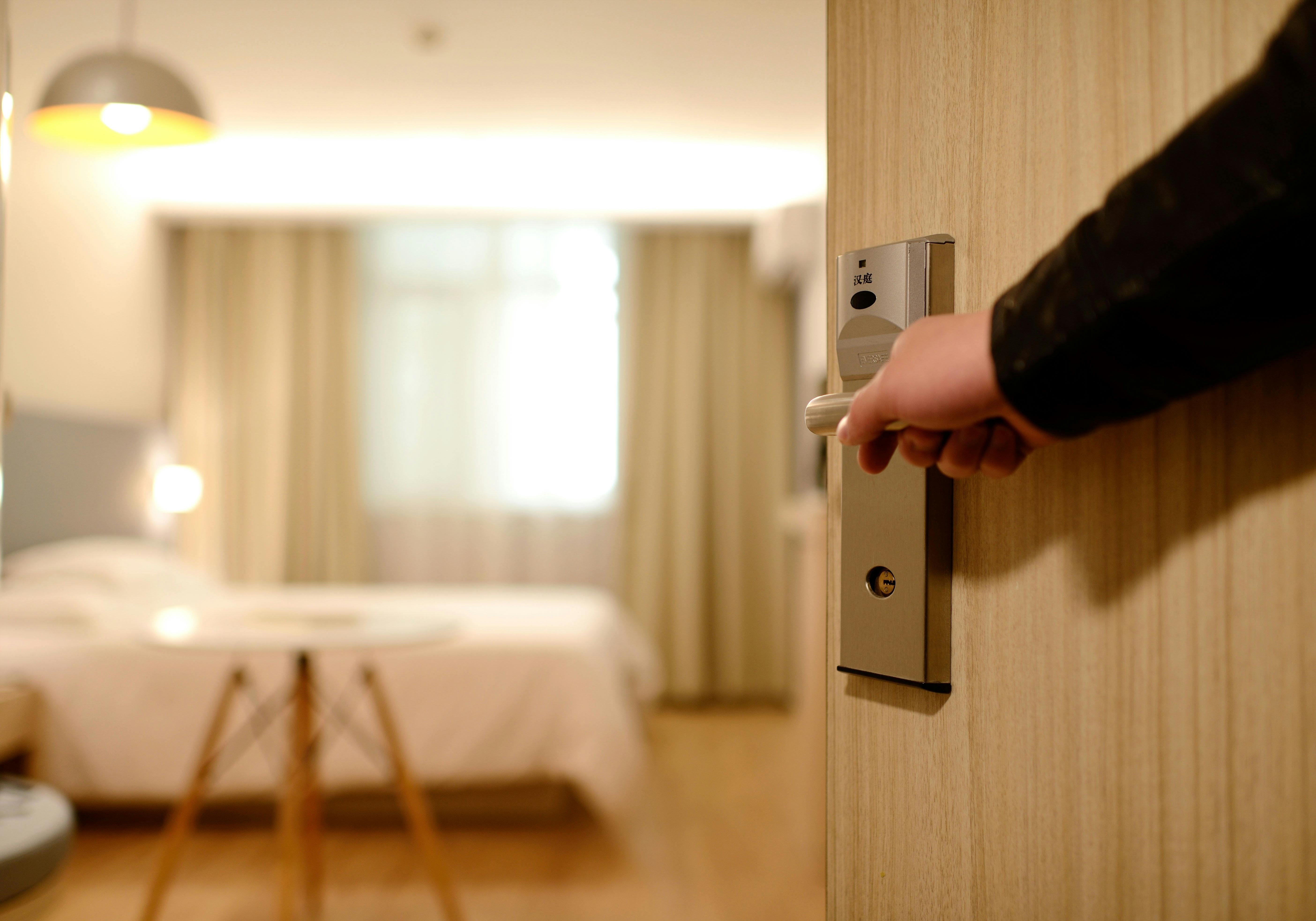
This Photo was taken by Pixabay.
The psychology of exceptional guest experiences
Exceptional guest suites operate on a deeper psychological principle than mere comfort. They create what hospitality experts call “anticipatory delight”—the feeling that someone has thoughtfully considered your every need before you knew you had it. This principle distinguishes luxury hotels that command premium rates from those that simply offer nice amenities.
Research from the Cornell School of Hotel Administration reveals that guests form their primary impression within the first 90 seconds of entering a space. This initial response determines their overall satisfaction more than any single amenity or service encounter.
Your bespoke guest suite becomes a hospitality sanctuary when it addresses three fundamental psychological needs: security, autonomy, and connection. Security manifests through intuitive layouts where guests can navigate confidently without constant guidance. Autonomy appears in thoughtful amenities that allow independent comfort—from smart lighting controls to well-stocked refreshment stations. Connection emerges through design elements that reflect your home’s personality while respecting guests’ privacy.
Creating emotional resonance through design intentionality
The most memorable guest suites tell a subtle story. Unlike luxury bedroom design that reflects personal taste, guest suite design requires a more nuanced approach. You’re crafting a narrative that feels curated yet universal, personal yet respectful.
Consider the difference between a hotel room that feels anonymous and one where you immediately sense the designer’s thoughtfulness. The latter achieves emotional resonance through what hospitality designers call “layered intentionality”—multiple design decisions that work harmoniously to create atmosphere rather than simply filling space.
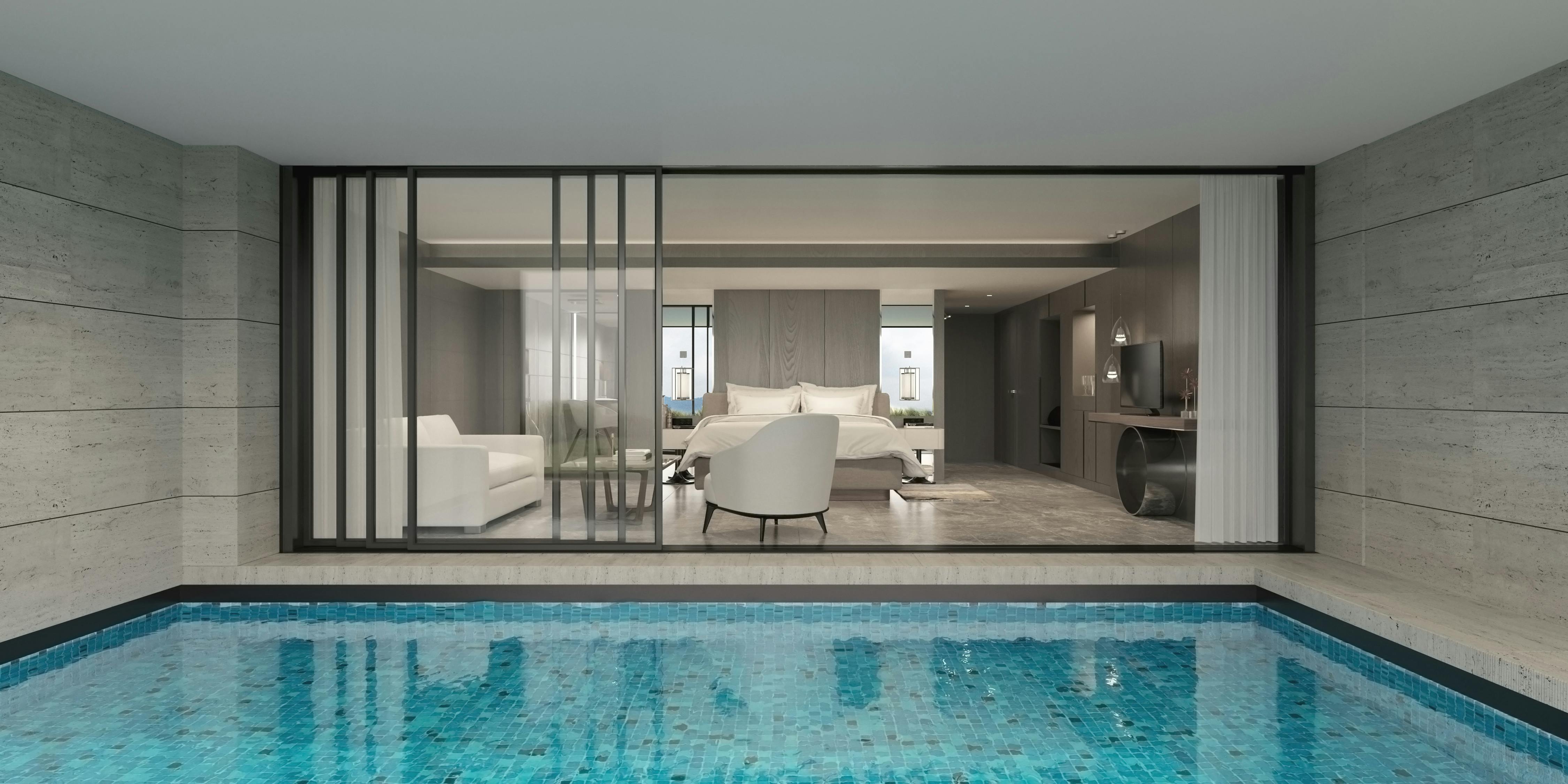
This Photo was taken by Quark Studio.
Architectural foundations for hospitality excellence
Before selecting fabrics or furniture, successful bespoke guest suites require architectural consideration. The spatial relationship between sleeping, working, and relaxing areas determines whether your guests feel graciously accommodated or awkwardly housed.
Professional hospitality designers follow specific dimensional standards that differ from residential bedroom planning. A luxury guest suite requires minimum clear pathways of 36 inches, compared to the 30-inch minimum acceptable in private bedrooms. This additional space creates the psychological comfort that distinguishes hospitality design from residential design.
| Space Element | Minimum Dimensions | Luxury Standard | Purpose |
|---|---|---|---|
| Bedroom circulation | 30 inches | 42 inches | Gracious movement |
| Luggage placement | 24 x 16 inches | 30 x 24 inches | Convenient access |
| Seating area | 6 x 8 feet | 8 x 10 feet | Private retreat |
| Desk workspace | 30 x 18 inches | 48 x 24 inches | Productive comfort |
Zoning for intuitive functionality
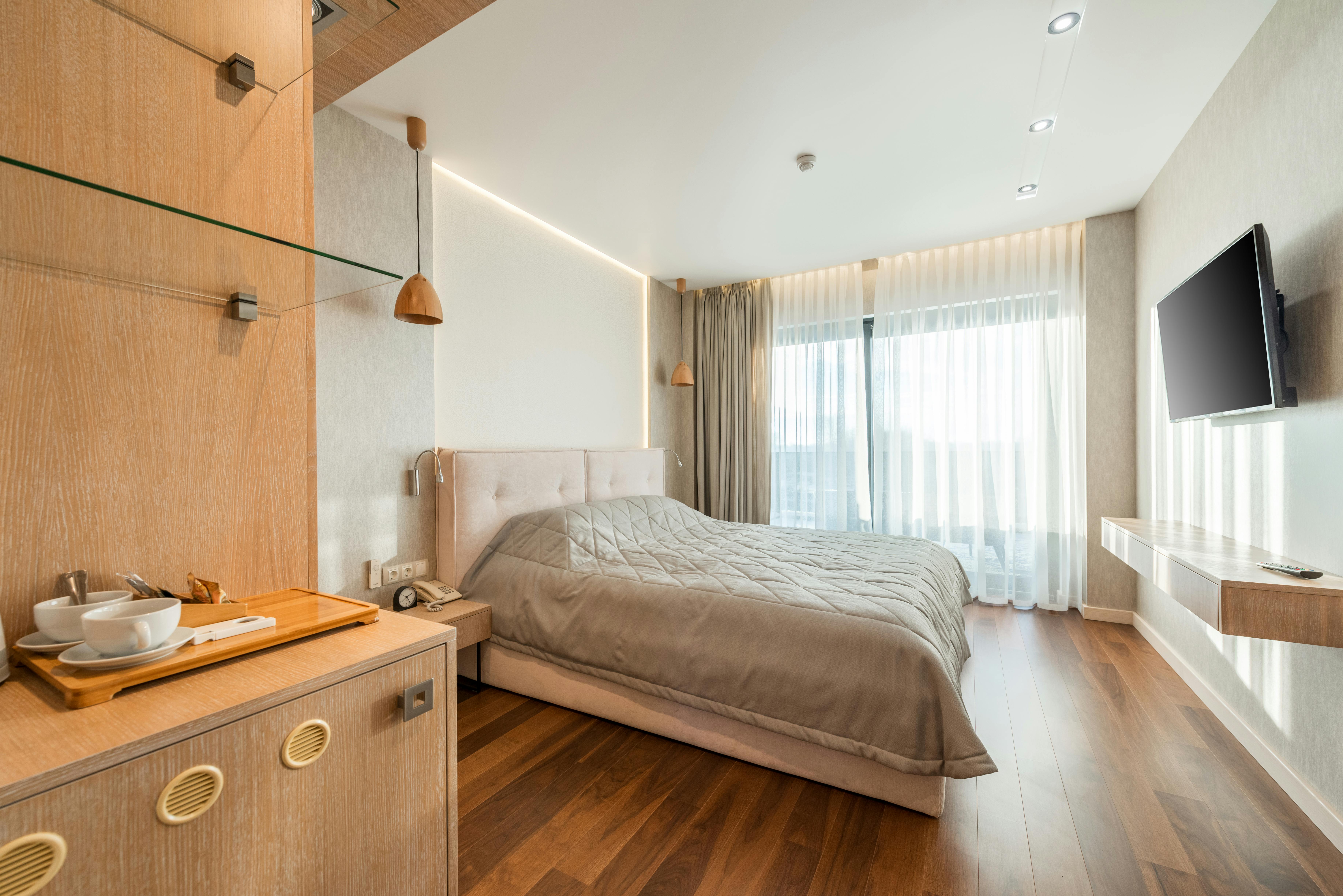
Effective guest suite design creates distinct functional zones that feel naturally integrated rather than artificially divided. The sleeping zone anchors the space but shouldn’t dominate it. Position the bed to allow natural light without creating glare on potential work surfaces.
The hospitality zone—encompassing seating, refreshments, and entertainment—should feel separate enough for guests to relax without disturbing a sleeping partner, yet connected enough to maintain the suite’s spatial harmony. This principle borrows from majlis design principles, where functional zoning creates comfort without fragmentation.
This Photo was taken by Max Vakhtbovycn.
Curating the luxury guest experience through thoughtful amenities
The amenity selection process distinguishes amateur guest rooms from professional-grade hospitality suites. Successful curation focuses on anticipated needs rather than impressive displays. Your guests should discover useful items naturally rather than feeling overwhelmed by obvious hospitality gestures.
According to American Hotel & Lodging Association research, luxury travelers prioritize functional comfort over decorative luxury by a 3:1 margin. This insight reshapes how we approach guest suite amenities—focusing on thoughtful utility rather than impressive display.
Essential comfort infrastructure
Climate control represents the foundation of guest comfort, yet most home guest rooms lack adequate environmental management. Professional hospitality spaces provide individual temperature control, multiple lighting options, and noise management solutions. In residential applications, this translates to dedicated thermostats, layered lighting schemes, and acoustic considerations.
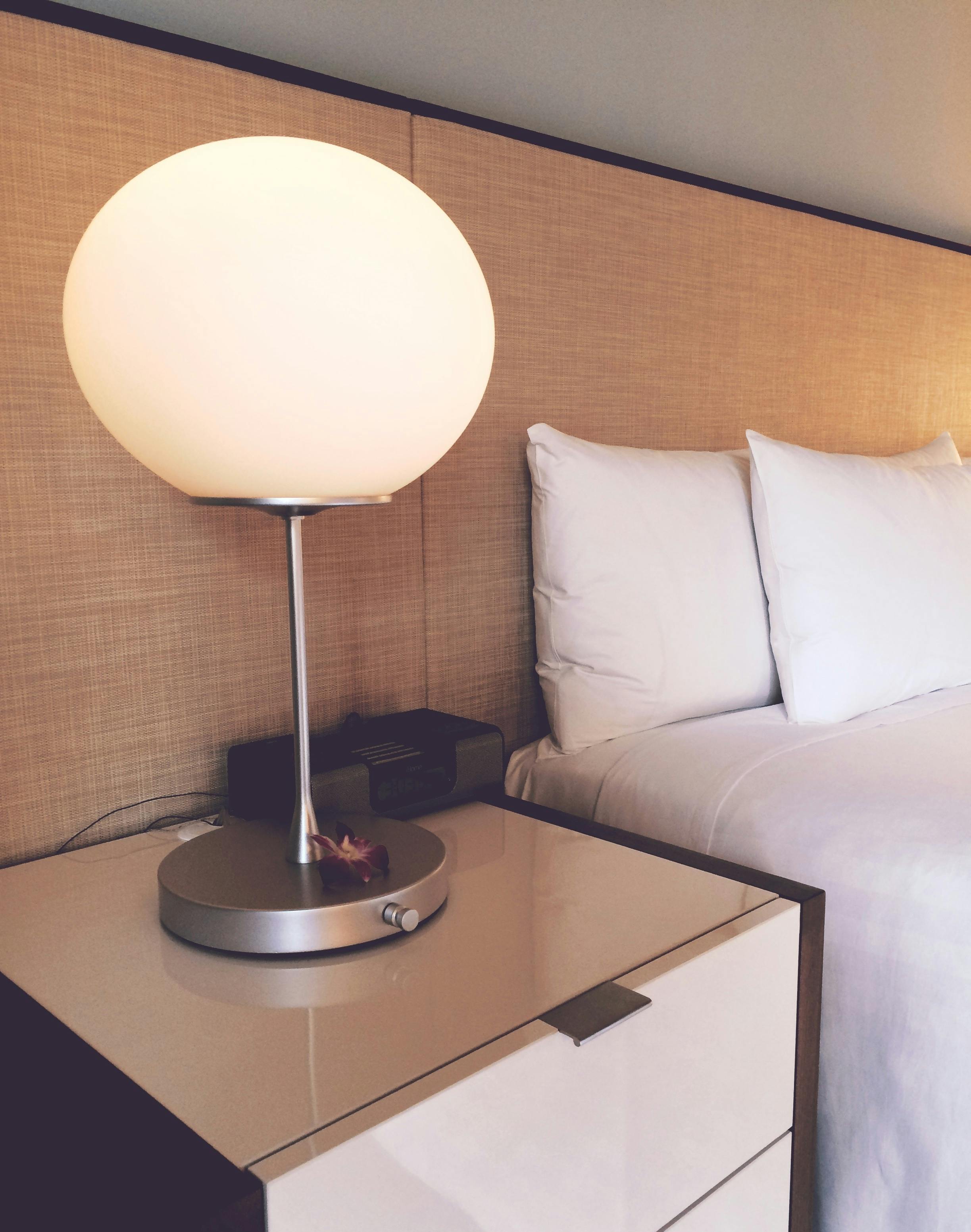
The lighting strategy requires particular attention. Your guests need task lighting for reading and working, ambient lighting for relaxation, and accent lighting for evening navigation. Each lighting layer should operate independently, allowing guests to customize their environment without trial and error.
Technology integration for seamless comfort
Modern luxury guest suites integrate technology invisibly rather than prominently. Charging stations should be conveniently located but not visually dominant. Entertainment systems should be immediately intuitive—your guests shouldn’t need instruction manuals to enjoy basic amenities.
Consider implementing hotel-grade solutions adapted for residential use: bedside control panels, USB charging integrated into furniture, and entertainment systems with simplified interfaces. The goal is technological comfort without technological complexity.
This Photo was taken by Pixabay.
Material selection and sensory design principles
Luxury guest suites succeed through sensory cohesion—the harmonious integration of textures, colors, and materials that create immediate comfort. Unlike personal spaces where bold choices can reflect individual taste, guest suite materials should feel universally appealing while maintaining sophisticated character.
The hospitality industry has developed specific material standards based on guest preference research. Natural materials consistently outperform synthetic alternatives in guest satisfaction surveys, with wood, stone, and natural fibers rating highest for perceived luxury and comfort.
Color psychology for universal appeal
Professional hospitality designers rely on color palettes that feel both sophisticated and welcoming. The most successful schemes use what designers call “sophisticated neutrals”—colors that appear neutral but contain subtle undertones that prevent sterility.
Warm whites with cream or pearl undertones create more welcoming environments than stark whites. Soft grays with warm undertones feel more luxurious than cool grays. These principles ensure your guest suite feels intentionally designed rather than generically decorated.
Accent colors should be introduced through easily changeable elements—artwork, textiles, and accessories—rather than permanent fixtures. This approach allows you to refresh the space’s personality while maintaining its foundational sophistication.

This Photo was taken by Quang Nguyen Vinh.
Textile selection for comfort and durability
Guest suite textiles must balance luxury perception with practical maintenance. Professional hospitality linens use specific thread counts and weave patterns that feel luxurious while withstanding frequent washing. The sweet spot for luxury guest linens falls between 300-400 thread count percale weaves, which provide the crisp, hotel-quality feel most guests associate with luxury accommodation.
Natural fiber content becomes crucial for guest comfort. Cotton and linen blends outperform synthetic materials in guest satisfaction ratings, particularly for bedding and window treatments. The investment in quality textiles pays dividends in guest experience and longevity.
Furniture curation for hospitality excellence
Guest suite furniture selection requires balancing aesthetic appeal with universal comfort. Unlike personal spaces where you can choose furniture that suits your specific preferences, guest suite pieces must accommodate diverse body types, usage patterns, and comfort expectations.
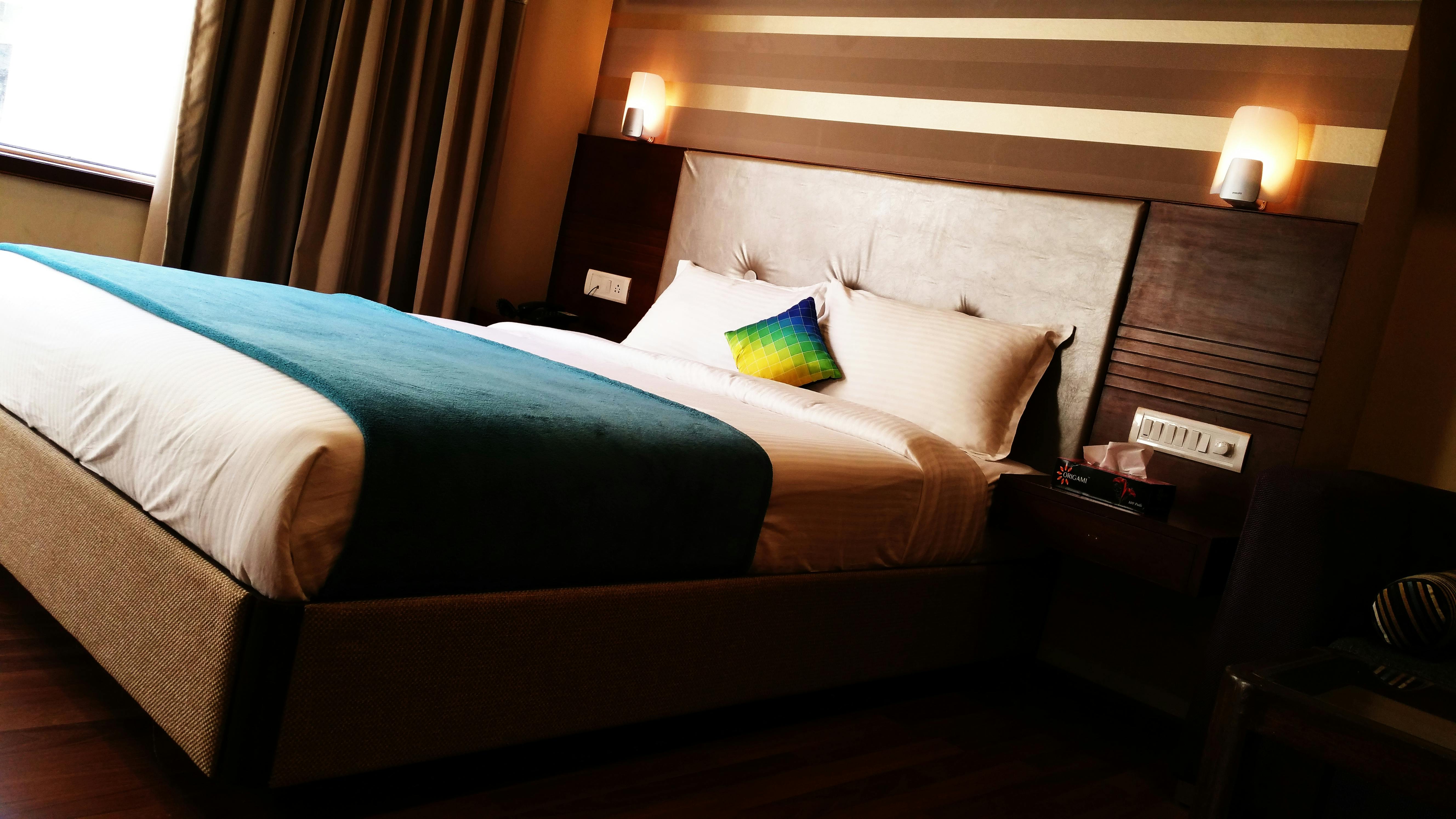
The anchor piece—typically the bed—sets the suite’s quality perception. Hospitality-grade mattresses and foundations provide consistent comfort for varied sleep preferences. Platform beds with built-in storage offer practical elegance, while upholstered headboards add luxury perception and acoustic comfort.
Creating conversation areas that enhance stay quality
Beyond sleeping accommodations, successful guest suites provide spaces for relaxation and informal activities. This might connect to principles found in luxury living room design, but adapted for guest suite proportions and privacy needs.
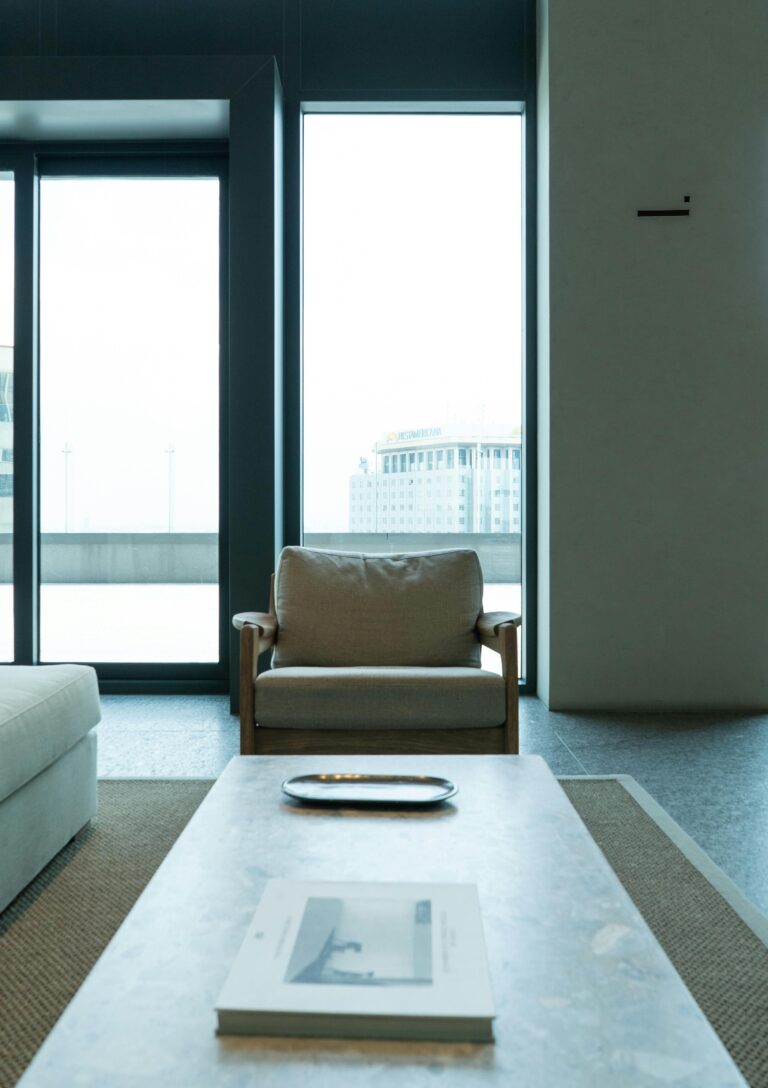
A well-proportioned seating area transforms a guest room into a guest suite. This space allows guests to relax without being confined to the bed, provides a place for morning coffee or evening reading, and creates a sense of personal territory within the larger home.
This Photo was taken by Digital Buggu.
Storage solutions and organizational luxury
Luxury guest suites provide abundant, intuitive storage without appearing cluttered or overly designed. Professional hospitality spaces allocate approximately 30% more storage than typical residential bedrooms, recognizing that guests arrive with varied luggage sizes and unpacking preferences.
The storage strategy should accommodate both hanging and folded items, provide space for toiletries and personal items, and include secure areas for valuables. This comprehensive approach eliminates the common guest experience frustration of inadequate or inconvenient storage options.
Integrated storage for seamless aesthetics
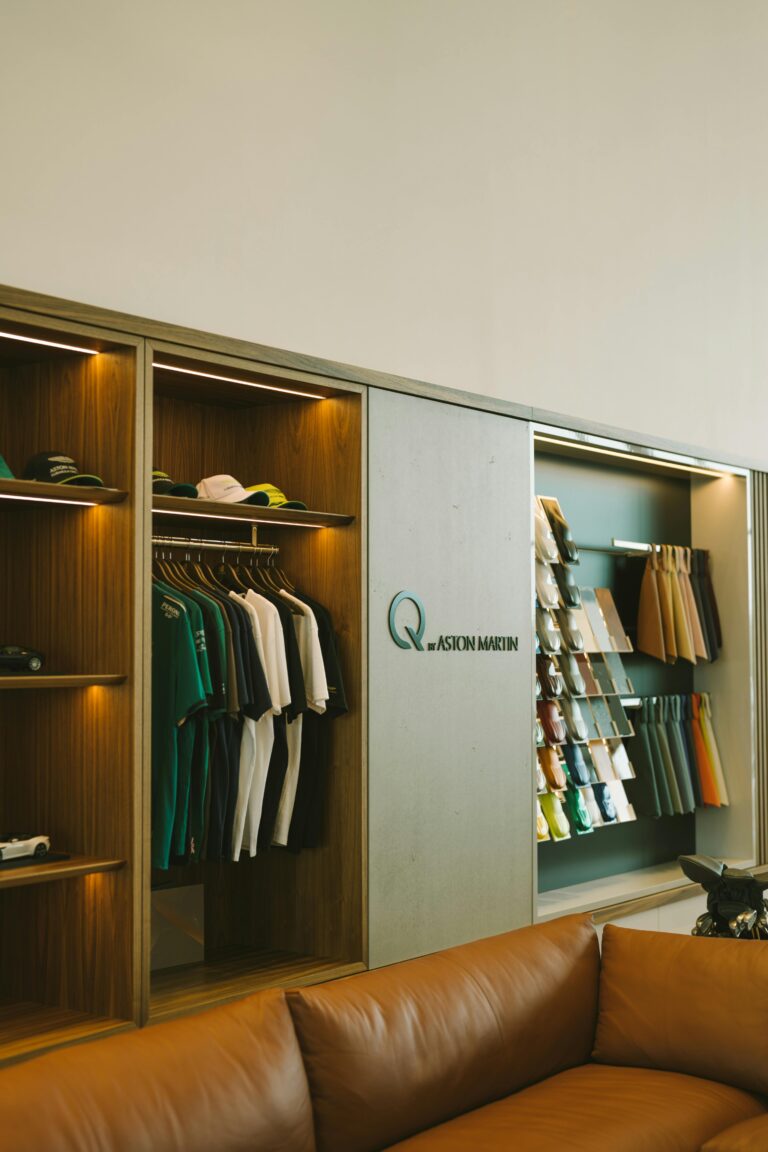
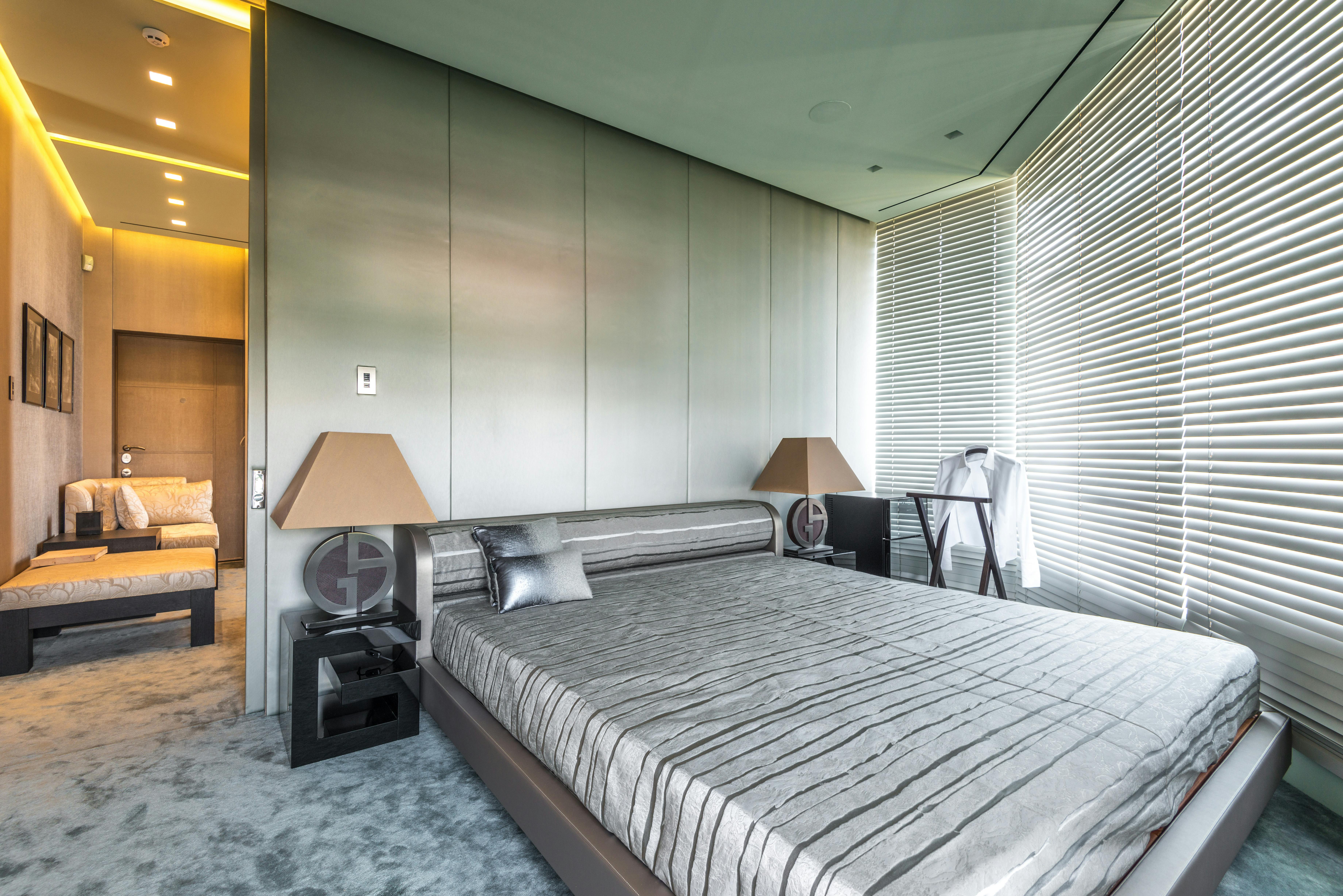
Built-in storage solutions create the clean, uncluttered aesthetic associated with luxury hospitality while maximizing functional space. Custom millwork allows storage integration that appears architecturally intentional rather than furniture-based.
Drawers with soft-close mechanisms, adjustable shelving, and LED strip lighting elevate storage from purely functional to genuinely luxurious. These details create the refined user experience that distinguishes bespoke design from standard residential approaches.
Consider storage solutions that connect to the principles used in luxury walk-in closet design, adapted for guest suite scale and temporary usage patterns.
This Photo was taken by Max Vakhtbovycn.
Bathroom integration and en-suite luxury
When possible, dedicated bathroom access elevates guest accommodation from room to true suite status. En-suite bathrooms provide privacy and convenience that significantly impacts guest satisfaction. However, even shared bathroom arrangements can feel luxurious with thoughtful planning and dedicated guest amenities.
Guest bathroom design requires different considerations than family bathrooms. Storage needs focus on toiletries and towels rather than daily-use items. Lighting should be immediately functional—guests shouldn’t struggle to find switches or navigate safely during nighttime use.
Amenity curation for bathroom luxury
Professional hospitality bathrooms provide amenities that guests might forget to pack, presented in a way that feels generous rather than presumptuous. Quality towels, basic toiletries, and grooming essentials create immediate comfort and demonstrate attention to guest needs.
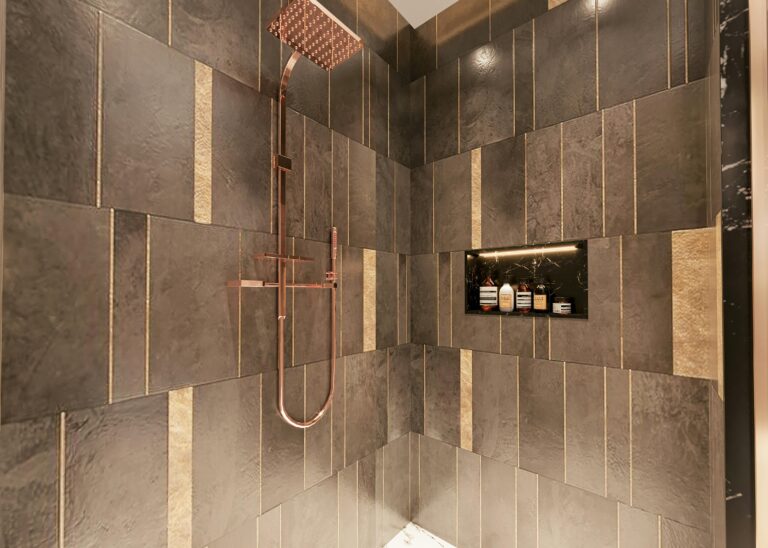
The presentation matters as much as the products themselves. Simple, clean dispensers or attractive containers elevate basic amenities to luxury touches. This approach borrows from principles found in luxury bathroom design while adapting for guest usage patterns.
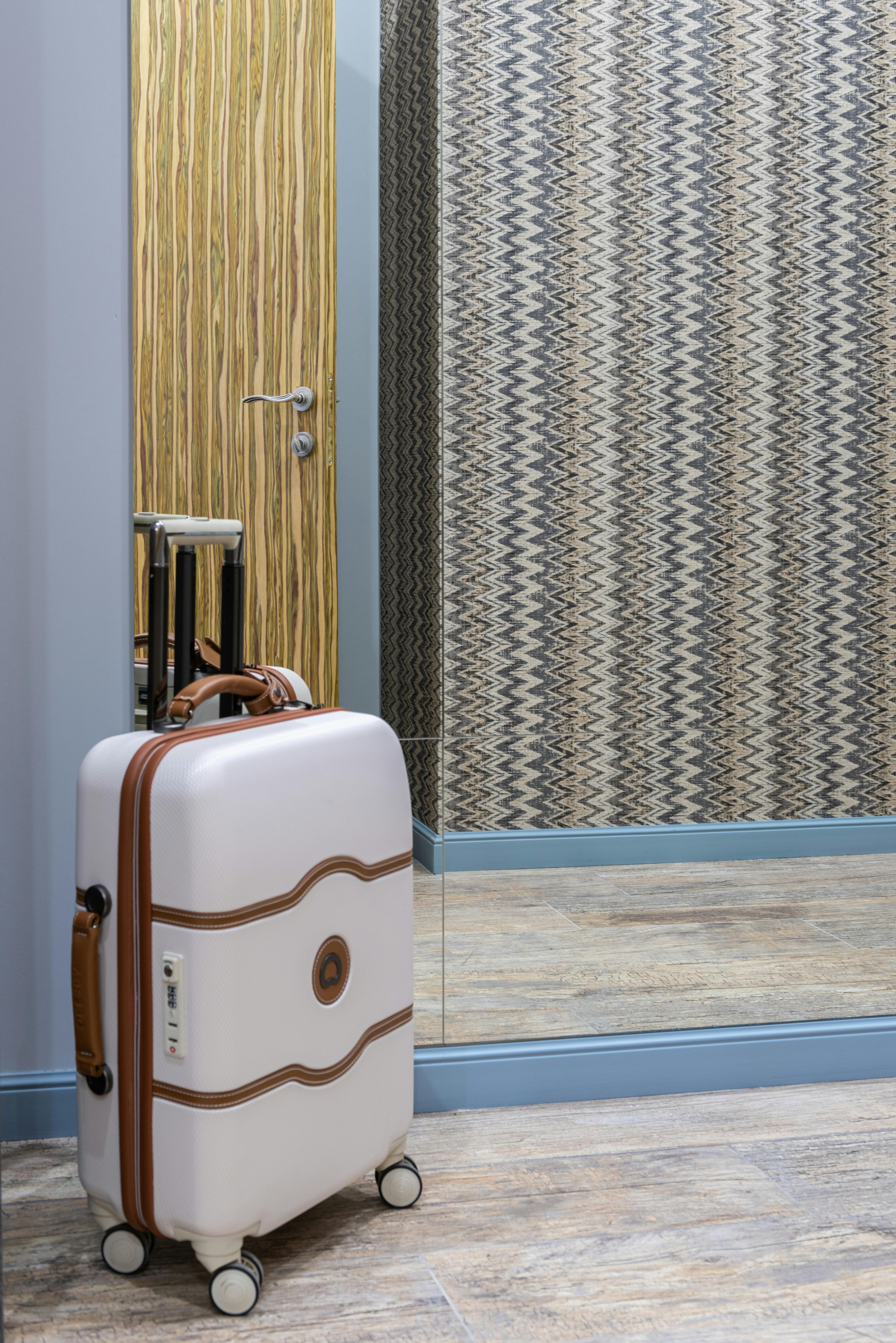
This Photo was taken by Max Vakhtbovycn.
Sustainability and long-term value in guest suite design
Bespoke luxury guest suites increasingly incorporate sustainability principles without compromising comfort or aesthetics. This approach recognizes that true luxury includes environmental responsibility and long-term value creation.
Sustainable luxury focuses on durable, high-quality materials that age gracefully rather than trendy elements that require frequent replacement. Natural materials, energy-efficient systems, and locally sourced elements create luxury experiences that align with contemporary values.
According to Sustainable Travel International research, 73% of luxury travelers consider environmental impact when selecting accommodations. This trend influences guest expectations even in private home settings.
Investment pieces for lasting luxury
The most successful guest suites balance initial investment with long-term satisfaction. Quality furniture, professional-grade linens, and durable finishes create better guest experiences while reducing replacement costs over time.
This investment approach extends to hidden infrastructure—superior insulation, quality HVAC systems, and professional-grade plumbing fixtures. These elements directly impact guest comfort while providing long-term operational benefits.
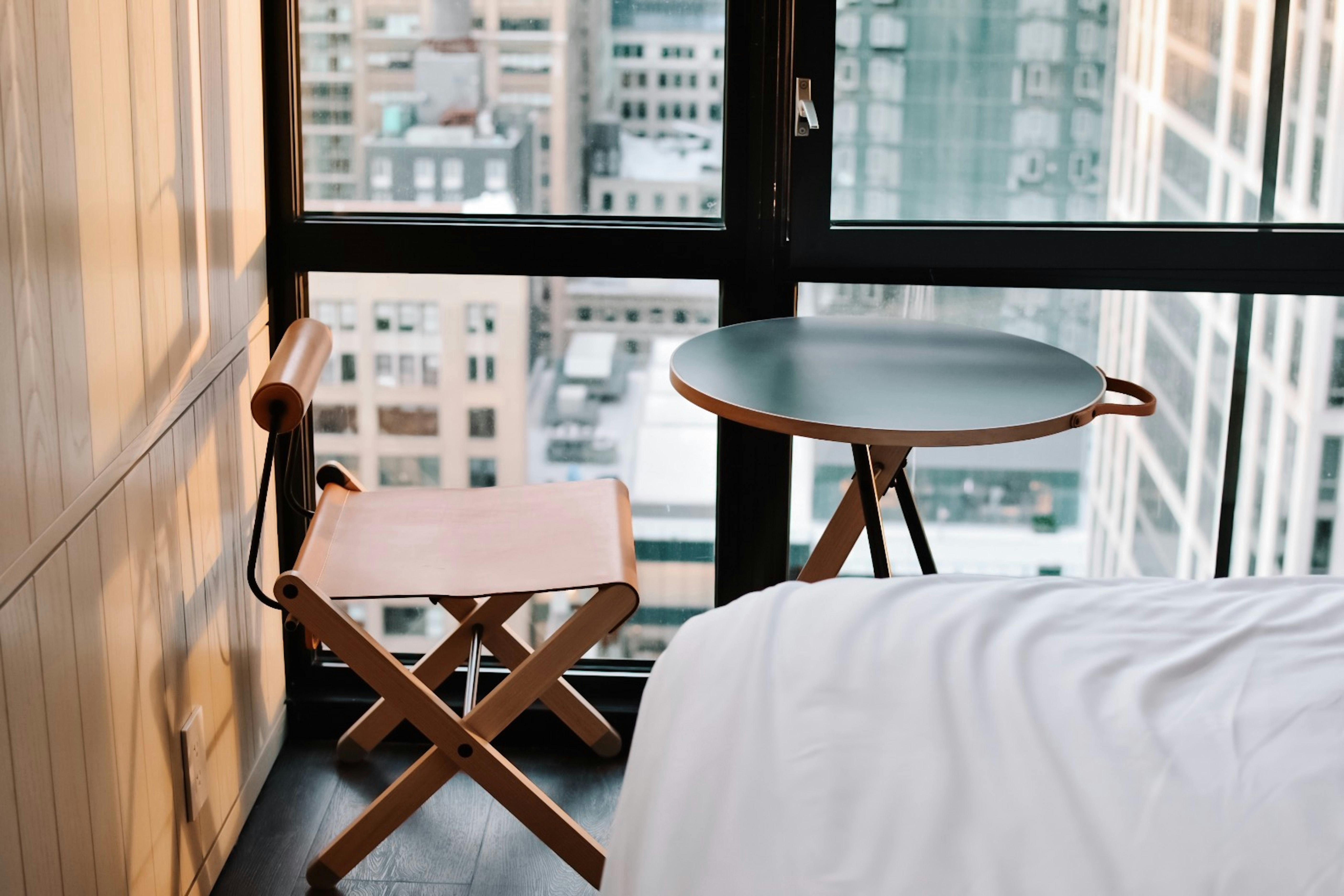
This Photo was taken by Andrea Davis.
Frequently asked questions about luxury guest suite design
What is the minimum size requirement for a luxury guest suite?
A true luxury guest suite typically requires minimum 200 square feet to accommodate sleeping, seating, and storage areas comfortably. However, thoughtful design can create suite-quality experiences in smaller spaces through efficient planning and high-quality finishes.
How much should I budget for a bespoke guest suite renovation?
Professional-quality guest suite renovations typically range from $15,000-50,000 depending on size, scope, and finish level. Custom millwork, en-suite bathrooms, and luxury finishes represent the higher end of this range, while strategic updates and quality furnishings can achieve significant improvements at lower budgets.
What amenities do guests expect in luxury accommodations?
Essential luxury amenities include climate control, multiple lighting options, adequate storage, quality linens, charging stations, and basic toiletries. Advanced amenities might include entertainment systems, beverage stations, and workspace areas, but comfort infrastructure takes priority over impressive additions.
How do I balance personal style with universal guest appeal?
Successful guest suites use sophisticated neutral foundations with personality expressed through artwork, accessories, and textiles. This approach allows your style to shine while ensuring broad appeal. Avoid highly personal items or bold design statements that might feel intrusive to guests.
Should guest suites match the rest of my home’s design?
Guest suites should feel harmonious with your home’s overall aesthetic while maintaining their own identity. Use consistent architectural elements and color undertones, but allow guest spaces to be slightly more refined and neutral than highly personalized family areas.
What technology integration is essential for modern guest suites?
Essential technology includes convenient charging options, intuitive lighting controls, and reliable internet access. Entertainment systems and smart home integration enhance the experience but shouldn’t complicate basic comfort functions. Technology should be immediately intuitive for guests unfamiliar with your systems.
The lasting impact of thoughtful hospitality design
Bespoke luxury guest suite design transcends decorating—it represents a commitment to creating memorable experiences that honor both your personal style and your guests’ comfort. The investment in thoughtful hospitality design pays dividends through enhanced relationships, increased property value, and the personal satisfaction of providing exceptional experiences.
The principles outlined here—from psychological comfort to sustainable luxury—create guest accommodations that feel authentically welcoming rather than merely impressive. Your guests will remember how your space made them feel long after they’ve forgotten specific amenities or decorative details.
As we move into 2025, the definition of luxury continues evolving toward experiences that feel both sophisticated and genuinely comfortable. Your bespoke guest suite becomes a testament to this evolution—a space that demonstrates how true luxury emerges from the thoughtful consideration of others’ needs combined with your unique vision for exceptional living.
The most successful guest suites create what hospitality professionals call “effortless luxury”—spaces so thoughtfully designed that guests feel immediately comfortable without conscious awareness of the planning behind their comfort. This represents the ultimate achievement in bespoke hospitality design: creating sanctuaries that feel both special and natural, luxurious and welcoming.