Signature Luxury Children’s Playroom Design: Creating Bespoke Educational Sanctuaries for Inspired Learning and Creative Development 2025
Picture this: your child’s playroom features the same generic plastic furniture and chaotic toy bins you see in every suburban home. Now imagine walking into a space so thoughtfully designed that it transforms your child’s natural curiosity into focused learning adventures. The difference between a standard playroom and a luxury educational sanctuary isn’t just about premium materials—it’s about understanding how environment shapes young minds.
Traditional children’s spaces often prioritize convenience over cognitive development, creating cluttered environments that overwhelm rather than inspire. This approach fundamentally misunderstands how children learn and grow. The most successful luxury playrooms operate on a revolutionary principle: when you design for the developing brain rather than simply containing toys, you create spaces that actively nurture intelligence, creativity, and emotional well-being.

This Photo was taken by Mikhail Nilov.
Neurological foundations of educational space design
Neuroscience research reveals that children’s brains process information differently than adults, requiring environments that support their unique cognitive patterns. Studies from Harvard’s Center on the Developing Child show that overstimulating environments can actually hinder learning by overwhelming a child’s developing neural pathways.
Luxury educational playrooms address this by implementing what specialists call “cognitive zoning”—distinct areas designed around specific learning modalities. Visual learners thrive in spaces with natural light and organized displays, while kinesthetic learners need open areas for movement-based activities. Auditory learners benefit from acoustically treated zones that enhance sound quality without creating noise pollution.
The key insight lies in understanding sensory processing. Children receive information through multiple channels simultaneously, and a well-designed space manages this sensory input strategically. This principle guides every decision, from color psychology to furniture placement, ensuring the environment enhances rather than competes with learning objectives.
Biophilic design principles for young minds
Research published in Environmental Psychology demonstrates that children exposed to natural elements show improved attention spans and reduced stress levels. Luxury playrooms integrate living walls, natural wood elements, and carefully selected plants that are both safe and engaging for children.
These biophilic elements serve dual purposes: they create calming focal points while introducing children to natural systems and cycles. A small herb garden within the playroom becomes both a science lesson and a sensory experience, teaching responsibility while connecting children to natural processes.
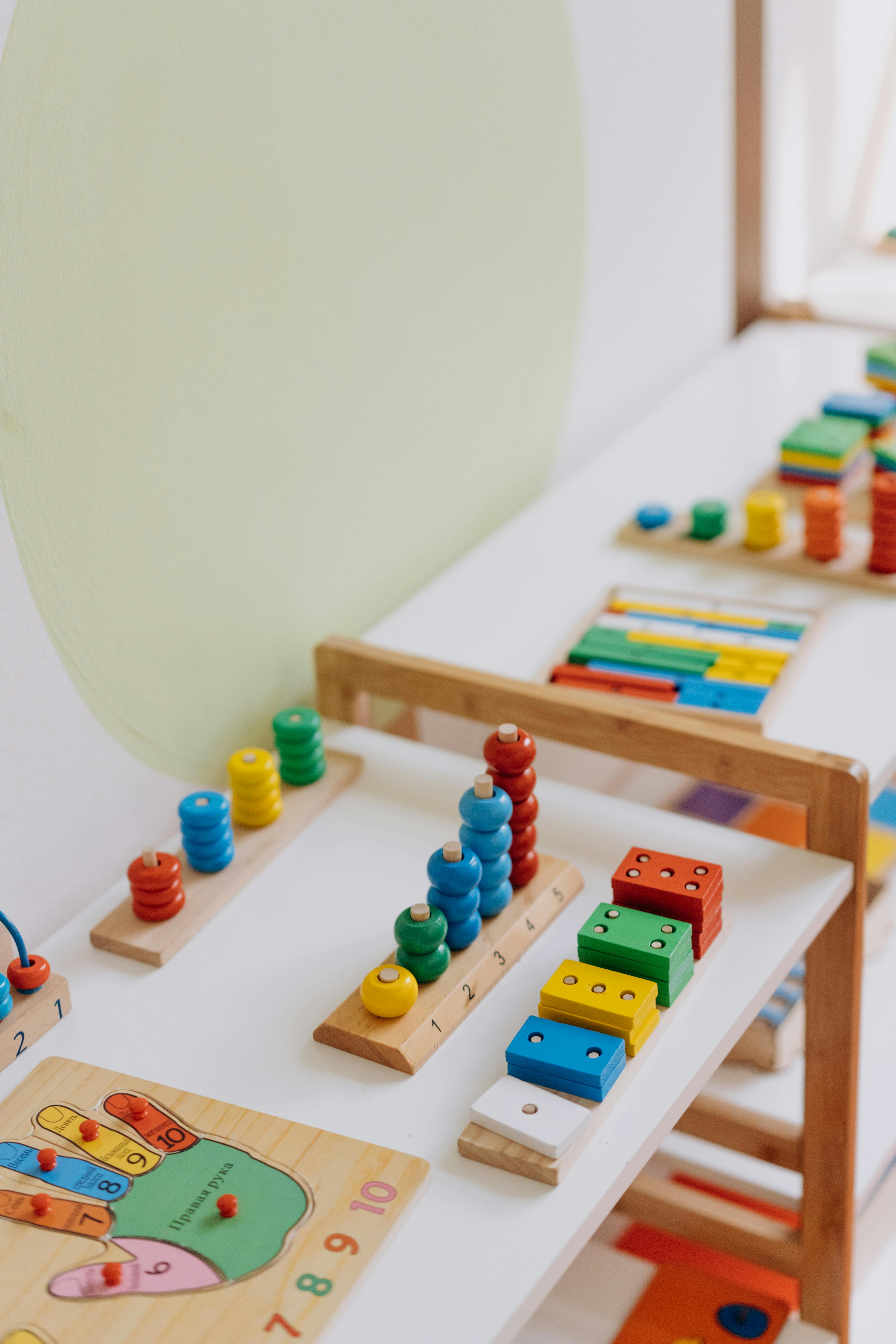
This Photo was taken by Mikhail Nilov.
Architectural elements that inspire learning
The most impactful luxury playrooms feature architectural details that stimulate curiosity and wonder. Ceiling treatments deserve special attention—children spend significant time looking upward, and creative ceiling designs can transform ordinary moments into learning opportunities.
Consider incorporating elements like a geometric skylight that creates changing shadow patterns throughout the day, teaching children about time, light, and natural cycles. Reading nooks built into custom millwork create intimate spaces for focused activities while maintaining visual connection to larger play areas.
Floor-to-ceiling built-ins maximize vertical space while creating opportunities for climbing, hiding, and exploring—activities crucial for physical development. These architectural features should integrate seamlessly with your home’s overall design aesthetic, just as sophisticated luxury living room designs flow naturally throughout the home.
Multi-level design strategies
Children naturally gravitate toward varied elevations and spatial relationships. Luxury playrooms incorporate platforms, steps, and raised areas that create distinct zones while encouraging physical activity and spatial reasoning development.
These level changes serve practical purposes beyond novelty. Raised reading areas provide quiet retreat spaces, while sunken play zones create natural boundaries for active play. The key lies in ensuring these transitions feel organic rather than forced, much like the thoughtful flow found in luxury foyer designs that guide movement through transitional spaces.

This Photo was taken by Tara Winstead.
Technology integration for future-ready learning
Smart technology in children’s spaces requires careful balance between innovation and developmental appropriateness. The goal isn’t to create a high-tech playground, but rather to seamlessly integrate tools that enhance learning without overwhelming young users.
Interactive projection systems can transform wall surfaces into educational canvases, displaying everything from world maps for geography lessons to constellation patterns for astronomy exploration. These systems respond to touch and movement, encouraging active engagement rather than passive consumption.
| Technology Element | Age Appropriateness | Educational Benefit | Integration Method |
|---|---|---|---|
| Interactive Floor Projection | 3-12 years | Movement-based learning | Ceiling-mounted, hidden infrastructure |
| Smart Lighting Systems | All ages | Circadian rhythm support | Integrated control panels |
| Audio Enhancement | 2-8 years | Language development | Concealed speaker arrays |
| Digital Art Display | 5+ years | Visual arts appreciation | Framed screens, rotating content |
Adaptive lighting for optimal development
Circadian lighting systems adjust color temperature and intensity throughout the day, supporting healthy sleep patterns while optimizing conditions for different activities. Morning light features cooler temperatures that promote alertness during learning activities, while afternoon settings transition to warmer tones that encourage creative play.
These systems can be programmed to support specific learning objectives. Reading time benefits from bright, focused task lighting, while creative activities thrive under softer, more diffused illumination. The sophistication rivals that found in luxury home library designs, where lighting serves both functional and atmospheric purposes.

This Photo was taken by Mikhail Nilov.
Material selection for safety and sophistication
Luxury children’s spaces demand materials that meet the highest safety standards without sacrificing aesthetic appeal. This requires moving beyond typical child-proofing approaches toward solutions that are inherently safe through thoughtful design rather than obvious safety features.
Natural materials like properly sealed hardwood floors and organic cotton fabrics provide durability while maintaining visual sophistication. Low-VOC finishes and formaldehyde-free furniture ensure healthy indoor air quality, crucial for developing respiratory systems.
Acoustic materials deserve special consideration in children’s spaces. Sound-absorbing panels can be artistically integrated into wall designs, reducing noise levels that can overwhelm sensitive hearing while maintaining the space’s aesthetic integrity.
Sustainable luxury materials
Forward-thinking families prioritize sustainable materials that teach environmental responsibility through daily interaction. FSC-certified woods, recycled content carpets, and low-impact manufacturing processes align with values many luxury homeowners embrace.
These choices extend beyond environmental impact to include durability and longevity. Investment in quality materials that age gracefully reduces replacement needs while maintaining the space’s sophisticated appearance as children grow and their needs evolve.
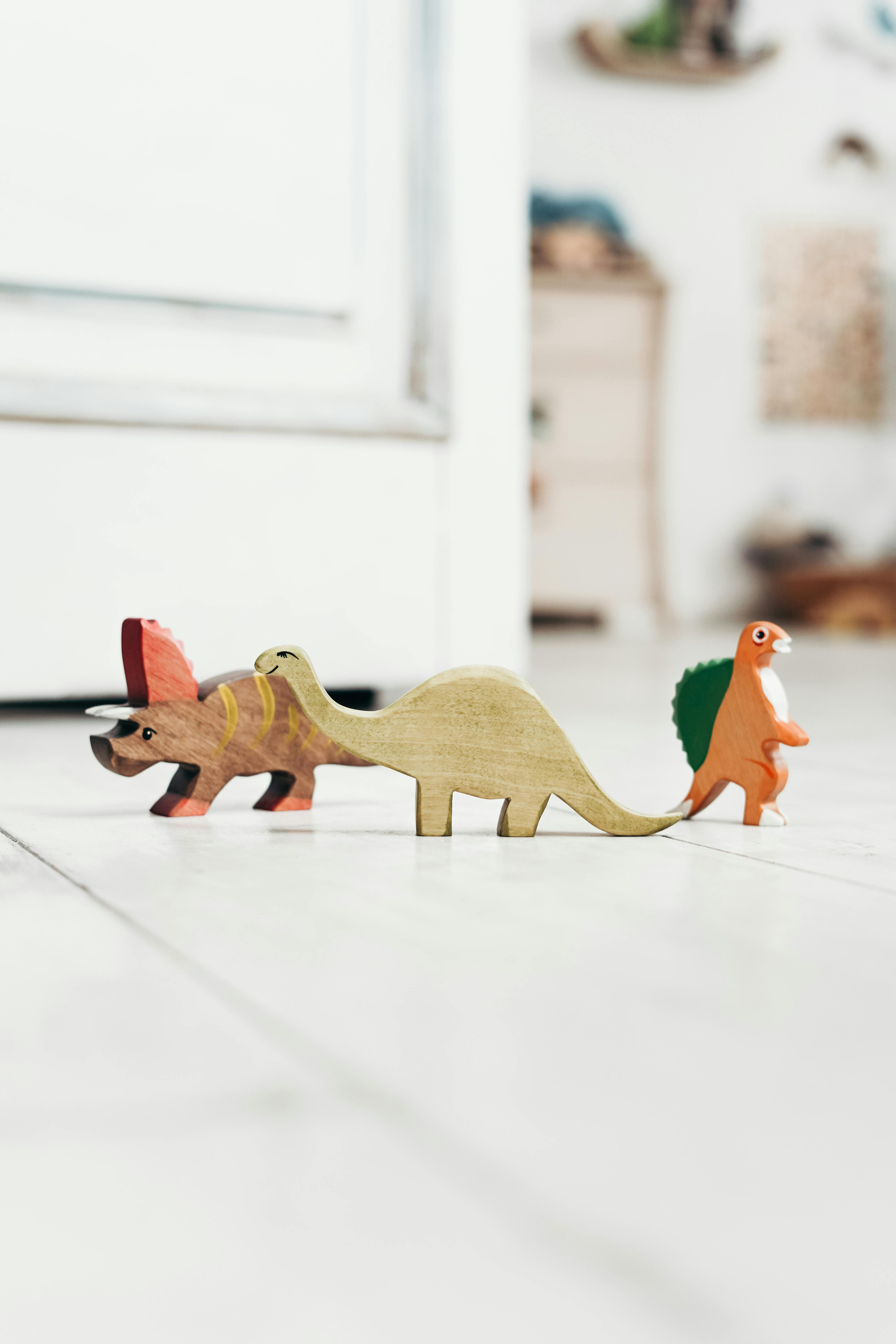
This Photo was taken by cottonbro studio.
Zone-based learning environments
Effective luxury playrooms organize activities into distinct zones, each optimized for specific types of learning and development. This zoning approach mirrors successful educational methodologies while maintaining the flexibility children need for imaginative play.
The quiet zone features comfortable seating, good lighting, and storage for books and puzzles. This area should feel separate from active play zones while maintaining visual connection to prevent isolation. Built-in cushioned seating with hidden storage maximizes functionality while maintaining clean lines.
Creative zones require easily cleanable surfaces, accessible storage for art supplies, and proper ventilation for activities involving paints or clay. Wall-mounted easels that fold flat when not in use preserve floor space for other activities while remaining instantly accessible when inspiration strikes.
STEAM integration strategies
Science, Technology, Engineering, Arts, and Mathematics learning happens most effectively when integrated into purposeful play rather than segregated into formal lesson spaces. Luxury playrooms incorporate elements that naturally encourage STEAM exploration through hands-on discovery.
A water play area with pumps, tubes, and measuring devices teaches physics principles while providing sensory stimulation. Building zones with high-quality construction materials develop spatial reasoning and engineering thinking. These areas require careful planning for cleanup and maintenance while preserving spontaneous learning opportunities.

This Photo was taken by Tara Winstead.
Storage solutions that teach organization
Luxury playroom storage transcends basic toy containment to become an educational tool that teaches organization, responsibility, and decision-making skills. Custom built-ins provide designated homes for every type of play material while maintaining the space’s sophisticated appearance.
Low-height storage allows children to independently access and return materials, fostering autonomy and ownership of their space. Clear containers and picture labels help pre-readers understand organizational systems while reducing the visual chaos that open shelving can create.
Rotating storage systems keep materials fresh and engaging while preventing overwhelming choices. Seasonal rotation of toys and learning materials maintains novelty while teaching children to care for and value their possessions.
Hidden storage innovations
The most elegant luxury playrooms conceal storage within architectural elements, maintaining clean sight lines while providing abundant capacity. Window seats with lift-up cushions, stair drawers, and hollow sculptural elements provide storage without advertising its presence.
These hidden storage solutions require careful planning during the design phase but create long-term benefits in both functionality and aesthetics. The approach mirrors sophisticated storage strategies found in luxury master bedroom designs, where storage serves the space without dominating it.

This Photo was taken by Tara Winstead.
Color psychology and cognitive development
Color choices in children’s spaces significantly impact mood, attention, and learning capacity. Research from the University of Texas demonstrates that certain color combinations enhance focus while others promote creativity or calm.
Luxury playrooms move beyond primary color schemes toward sophisticated palettes that grow with children while supporting specific cognitive functions. Soft blues and greens in reading areas promote concentration, while warmer tones in creative zones encourage expression and risk-taking.
The key lies in understanding that children respond to color intensity differently than adults. Muted versions of engaging colors provide stimulation without overstimulation, creating environments that feel energizing rather than chaotic.
Neutral foundations with accent flexibility
Sophisticated color strategies build upon neutral foundations that provide visual calm while incorporating colorful accents through changeable elements like artwork, textiles, and accessories. This approach allows the space to evolve with children’s changing preferences while maintaining design integrity.
Accent walls in carefully chosen colors can define specific zones while maintaining overall harmony. These focal points should complement the home’s broader color palette, ensuring the playroom feels integrated rather than isolated from the family’s living spaces.
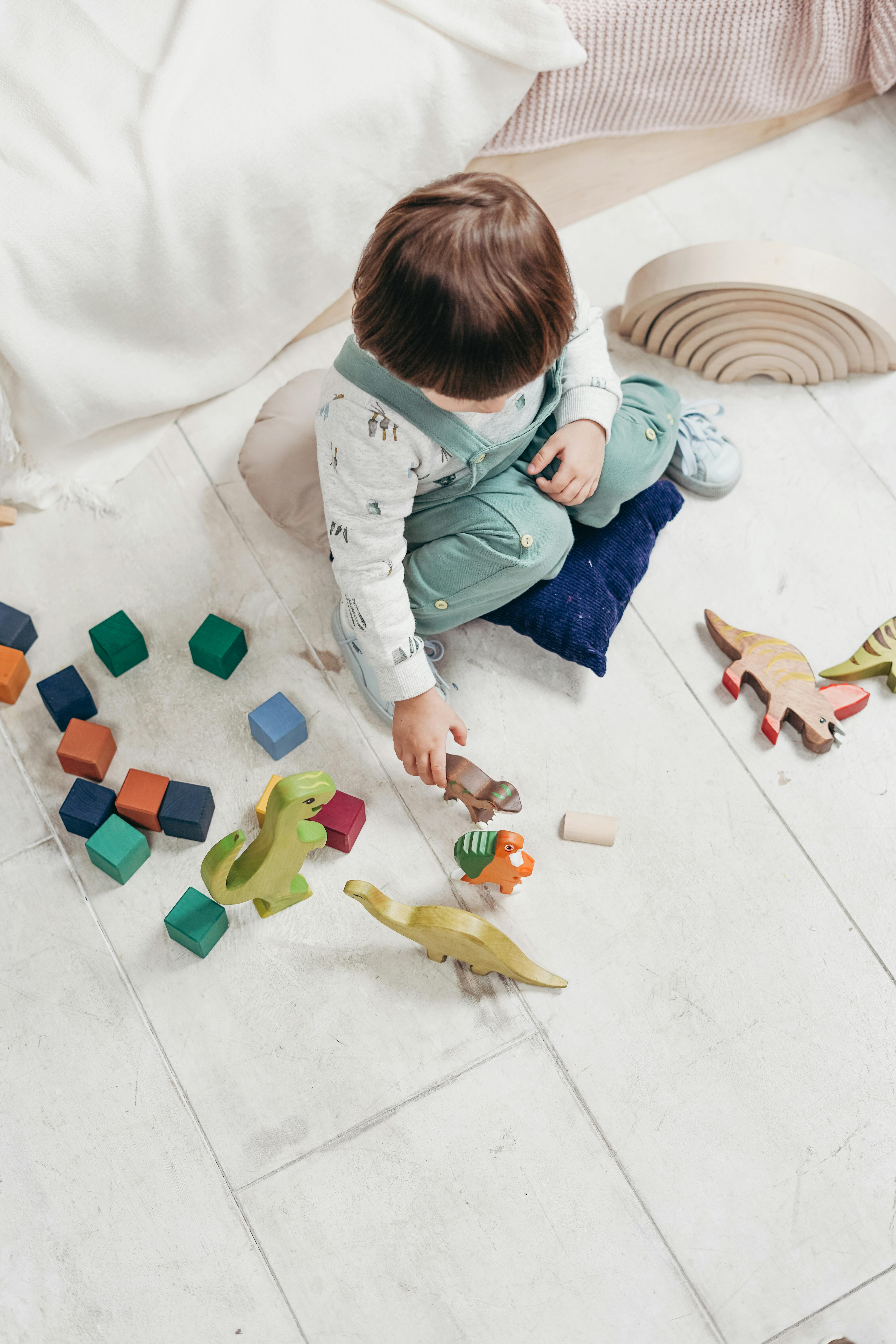
This Photo was taken by cottonbro studio.
Frequently asked questions
How do luxury playrooms differ from traditional children’s spaces?
Luxury playrooms prioritize cognitive development through intentional design, incorporating elements like zoned learning areas, premium materials, and integrated technology. Unlike traditional spaces focused on containment, these rooms actively support learning through environmental psychology principles and custom architectural features.
What age range works best for educational playroom design?
Well-designed luxury playrooms accommodate children from toddlerhood through early teens by incorporating adaptable elements and varied activity zones. The key lies in creating flexible spaces with adjustable components that can evolve with changing developmental needs and interests.
How do you balance luxury aesthetics with child safety requirements?
Modern luxury playrooms achieve safety through intelligent design rather than obvious safety features. This includes selecting inherently safe materials, incorporating rounded edges into custom millwork, and using non-toxic finishes that meet stringent safety standards while maintaining sophisticated appearance.
What technology elements provide the most educational value?
Interactive projection systems, adaptive lighting, and integrated audio enhancement offer significant educational benefits when properly implemented. The focus should be on technology that encourages active engagement rather than passive consumption, supporting hands-on learning and creative exploration.
How do you ensure the playroom integrates with the home’s overall design?
Successful integration requires extending the home’s architectural language and material palette into the playroom while adapting proportions and functionality for children’s needs. This creates visual continuity while maintaining the space’s unique identity and purpose.
What storage capacity should luxury playrooms include?
Plan for storage equal to approximately 30-40% of the room’s floor area, distributed between visible display storage for frequently used items and concealed storage for seasonal rotation. This balance maintains organization without overwhelming the space with storage solutions.
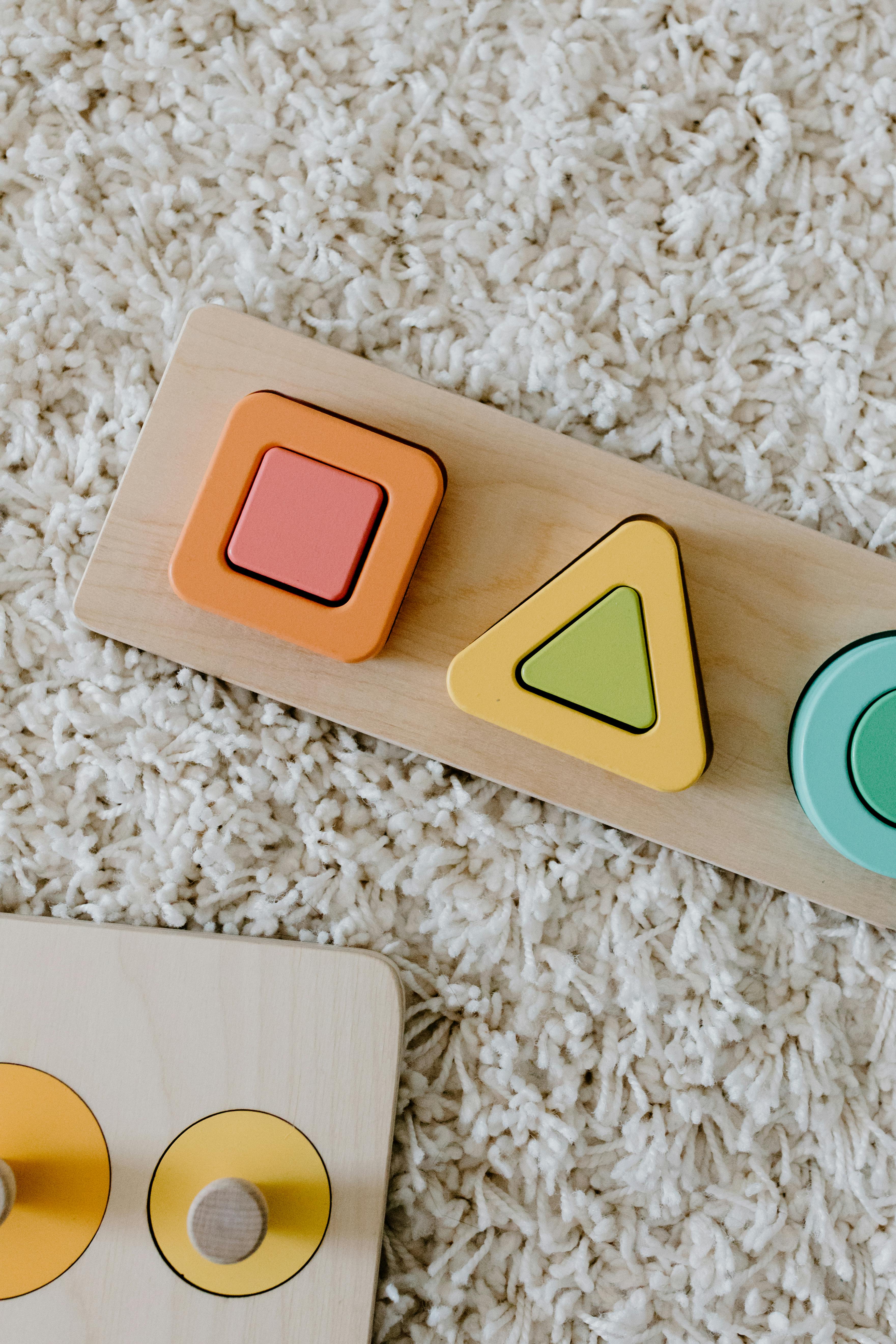
This Photo was taken by Tara Winstead.
Designing tomorrow’s learning leaders today
Luxury children’s playrooms represent far more than elaborate play spaces—they function as carefully crafted environments that shape developing minds and foster lifelong learning habits. The investment in thoughtful design yields returns measured not in dollars but in enhanced creativity, improved focus, and deeper engagement with learning processes.
The most successful luxury playrooms recognize that children’s developmental needs constantly evolve, requiring spaces that adapt and grow alongside their users. By incorporating flexible design elements, premium materials, and educational technology, these spaces provide frameworks for exploration that remain relevant throughout childhood and beyond.
Consider how these principles might transform your family’s approach to learning and development. The difference between a standard playroom and an educational sanctuary lies not in budget alone, but in understanding how environment influences potential. When you design for the developing mind rather than simply accommodating toys, you create spaces that actively nurture the qualities you most want to see flourish in your children.
The future belongs to creative problem-solvers, innovative thinkers, and adaptable learners. Luxury educational playrooms provide the foundation these future leaders need, wrapped in the sophisticated design that reflects your family’s values and aspirations. The question isn’t whether you can afford to create such a space, but whether you can afford not to invest in your children’s developmental foundation.